Procurement processes can seem daunting and complex to new or novice project managers who are just getting started in their careers. However, following a clear, structured procurement practice is absolutely essential for overall project success and staying on budget.
In this article, I aim to help demystify procurement by providing practical, step-by-step guidance to help even beginning project managers confidently initiate and execute procurements. With straightforward examples and handy checklists, we’ll carefully walk through the key steps from planning all the way through to contract execution and signing. My goal is to offer an accessible roadmap and framework so you can avoid common pitfalls and frustration.
These tips and techniques aim to empower novice project managers with a systematic approach to meet your project’s procurement needs. With the right knowledge, you’ll be prepared to handle procurements with confidence!
What is Procurement and Why is it Important?
 Graphic courtesy of Pernel Roberts
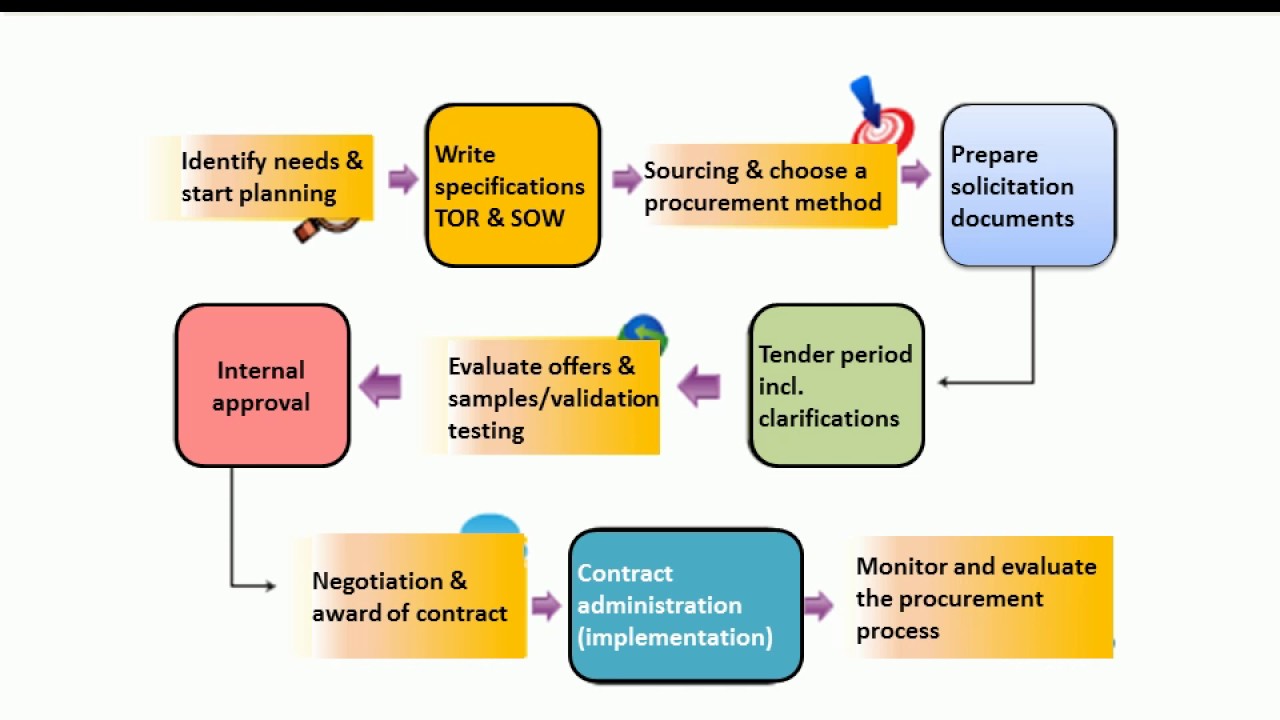
According to Schwalbe, “Procurement means acquiring goods and services from an outside source. The term procurement is widely used in government; many private companies use the terms purchasing and outsourcing.”1 In a project management context, procurement refers to the process of planning for, soliciting, acquiring and managing the materials, equipment, and services needed from external suppliers to successfully execute a project.
Procurement practices help ensure we get the right materials and services that meet our budget. An example of what can go wrong are delays that can happen from purchasing the wrong items or working with unreliable vendors. As well, following procurement best practices helps mitigate any legal risks that may come up from unfair vendor selection or inadequate contracts.
By investing time upfront in thoughtful procurement planning and execution, we project managers can obtain the best possible resources for our projects, while avoiding pitfalls that could put our budget, schedule, or quality in jeopardy.
Initiating Procurement
The first step in procurement is identifying exactly what materials and services are needed for your project. Make a detailed list specifying the quantity, quality standards, and timeline for each item you need to obtain. This requirements list is crucial for later planning.
Next, determine the best procurement method. Will you produce certain items in-house versus outsourcing them? Will you use a competitive bidding process across multiple qualified vendors or source items solely from one vendor? If using competitive bidding, follow these steps to initiate the process:
- Develop requests for proposals (RFPs) outlining your procurement requirements and soliciting bids. Ensure RFPs include critical details vendors will need to assemble accurate proposals.2
- Identify qualified vendors to participate in the bidding process based on factors like expertise, experience, and capacity.
- Distribute the RFPs and establish a timeline for receiving proposals.
- Once bids are received, thoroughly evaluate each proposal against your criteria to select the vendor that will best meet your needs within budget.
With careful initiation following these steps, you can set your procurement process up for success from the start!
Executing Procurement
 Graphic courtesy of Simfoni
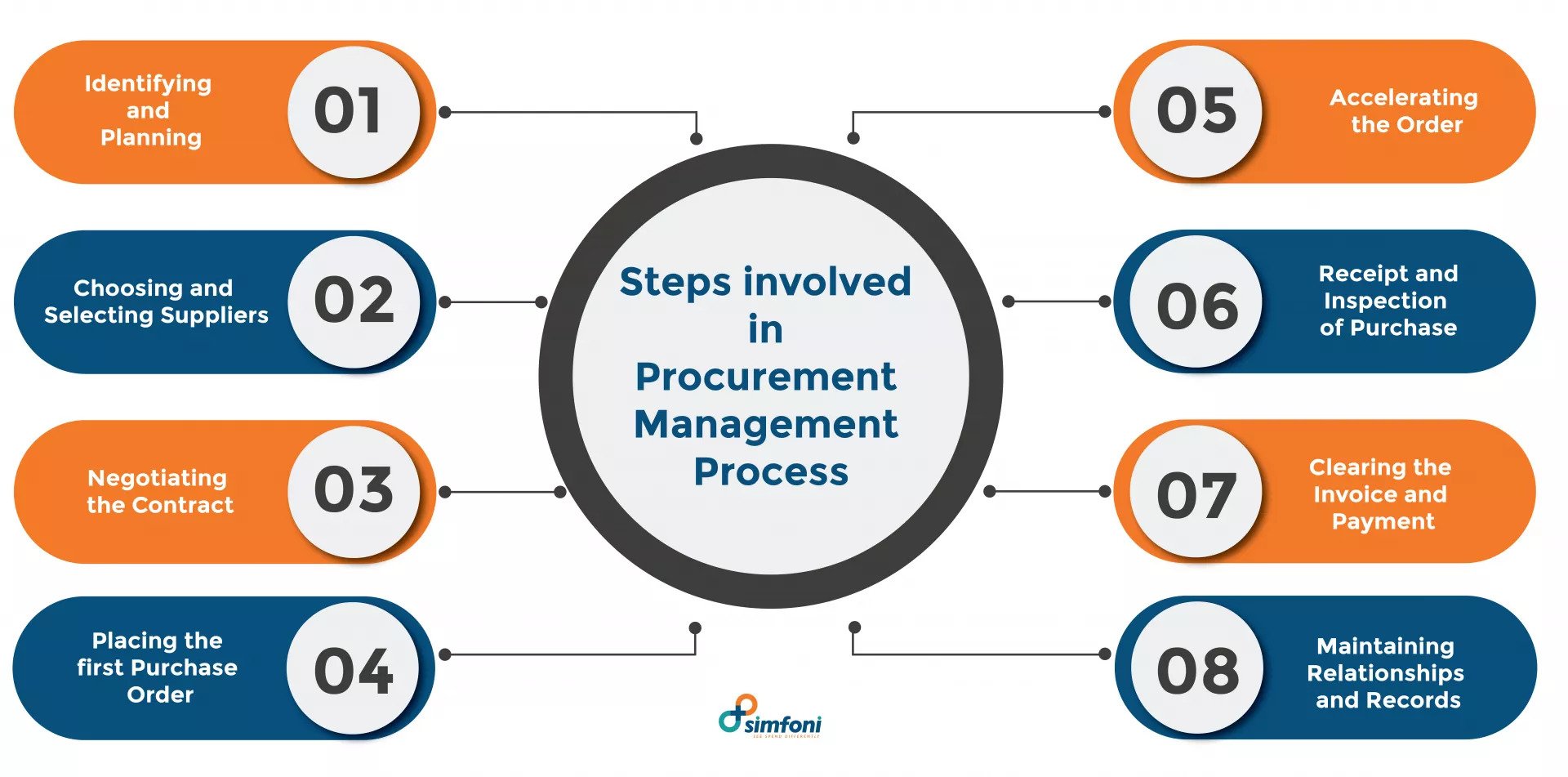
Once contracts are established, managing vendor relationships is crucial during the execution phase of procurement. Maintain clear, frequent communication with vendors to convey expectations and get progress updates. As ProjectManagers puts it, “regular status updates are necessary to review contractor agreements, get progress updates and review work performance to make sure that the contractors are meeting the requirements outlined in their contracts.”3
When vendor code deliverables arrive, inspect them promptly to ensure they meet defined coding standards and acceptance criteria. Reject any inadequate code that doesn’t satisfy quality checks. Before approving invoices, carefully review billable hours and charges to confirm they align with contracted rates.
Follow the payment schedule in the contract and obtain necessary internal sign-offs to maintain budget compliance. Submit payments on time to maintain positive vendor relationships. Document any bugs, defects, or performance issues that occur and track them closely.
If any disputes arise regarding contract terms, feature scope, or delays, seek to resolve them directly with the vendor first before pursuing legal action. Vendor performance feedback should inform future software procurement decisions.
Following structured software procurement execution practices helps projects maximize value from vendor relationships while minimizing risks and issues.
Conclusion
In closing, well thought-out procurement is crucial for project success. By planning requirements, selecting procurement methods strategically, having competitive bidding, executing contracts, and verifying compliance, we can obtain optimal materials and services. While procurement may seem daunting at first, following structured processes breaks down the challenge. I hope these tips empower you to implement procurement best practices for your projects with confidence. Careful procurement takes focus and commitment - but it’s very achievable! With these actionable guidelines, procurement processes enable, not hinder, your project success!
References
Banner image Generated with AI ∙ November 13, 2023 at 6:31 PM
-
”Kathy Schwalbe - Information Technology Project Management - Cengage (2019)” ↩
-
”Project Procurement Management: A Quick Guide” https://www.projectmanager.com/blog/project-procurement-management-quick-guide ↩
-
”RFP: A Quick Guide to Request for Proposals (Templates Included)” https://www.projectmanager.com/blog/rfp-request-for-proposals-templates ↩