Procurement is receiving outside services or goods from outside sources. Since, there is no place in the world where everything is located and is available for everyday use. It is basically a requirement for all companies or businesses to receive some sort of outside service of goods in order for the company to run efficiently. Since not all companies are able to sustain themselves with their own resources, it is important that you understand what are the resources that you need and how you are supposed to get them.
 Graphic courtesy of TyaSuite
Project Procurement Management
This is the process where your organization or company makes a contract to receive the required goods outside of your organization, you can either be a buyer or seller in this process. This blog will go through the most common challenges and pitfalls that you will face when you begin your project management journey, and how to receive services or resources that would be helpful to the success of your project1.
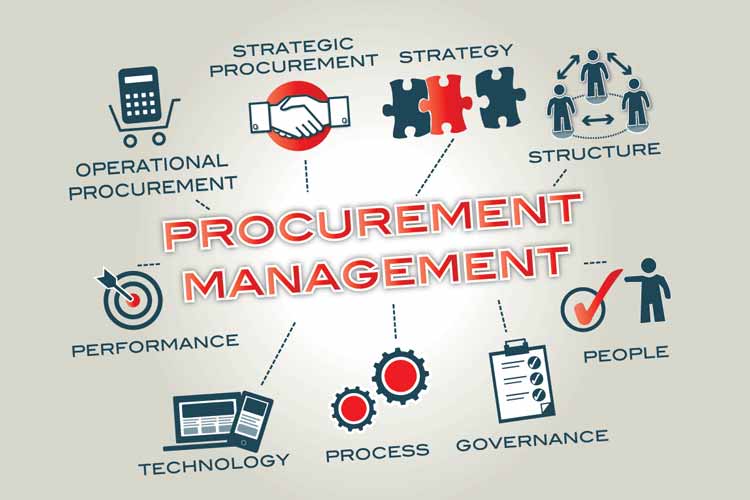 Graphic courtesy of NextProcess
There are certain etiquette that is not commonly known once you establish a relationship with your provider or seller and it would be in your best interest to have a good understanding on ways your company can improve in procuring resources that would not only lessen the cost of your project but help establish a firendly relationship between businesses.
Common Pitfalls and Challenges
-
Not Negotiating: There a few things to consider before you start negotiating with your sellers and thats to make sure that when you are negotiating you are doing it in a way to benefit both parties and not one-sidedly gaining all the benefits. The point of negotiating with a seller that you plan on having a long-term partnership is to help each other out. 2
-
Ignoring Your Suppliers: When you decide on having the minimum amount of communication with your suppliers or service providers you are missing out on a great opportunity to make great deals with those outside your organization. It would be for your benefit to continue having friendly relationships with your suppliers whether they are your short-term, one-time, or long-term suppliers. They are your key resource for information about possible good deals, information on resources, and testing new products.2
-
Reduce Cost that Reduces Quality: When businesses want to reduce the cost of their project or product, they don’t realize that it would affect their quality product. They are putting a big risk in customers not realizing the product is lower quality than it is displayed or shown in an advertisement. Not only will this result in the companies reputation taking a hit and shaming the employees who took part in the project, it would be a disservice to the people who spent their time and effort to do the best they could to make sure the product or service was helpful.3
-
Not Clarifying Requirements or Specifications: I think this should be pretty straight forward, if you yourself as the project manager do not know what supplies you need or was given vague description of the things that would help you complete the project, your suppliers don’t know what they should give you and how exactly can they be of service. Not only would this seem like a bad joke, it would definitely make you seem like a noob who doesn’t understand what they are doing. This is not something that you would want to remember or be a part of, so continue reading to get a better heading on how to become a better project manager when it comes to procurement.3
-
Going Over Budget: I get it that we love to spend money and especially on things that we believe are going to be useful or make some good memories. However, we cannot apply this concept when it comes to the project you are in charge of. It is very easy for any project manager to lose sight of the spending that has been used to produce the product which will more often than not result in overspending for the product. Your company will not be happy and especially so if the project results in a failure or was not able to go past the prototype stage.
-
Suppliers Lacking Business Transparency: Although we don’t really think about it, organizations have a tendency to repress important information that could challenge the completion of a product or result in the delay of products being sent from the suppliers factories. This will harm your relationship with the supplier if you decide to hade any information and vice-versa so it would be in your best interest that everyone is honest with each other.
Solutions
When you are in Agile and with the constant growth mindset that seeks to improve each project after every opportunity given to provide a service to your customer, hopefully you can already see some solutions that would offset some of the challenges already discussed in this blog post. Of course there are plenty of more challenges and pitfalls that are present within the project procurement management process, the resources are down below if you want to learn more. However, in this section we will be going over what are some ways you can take as a project manager to avoid these pitfalls.
-
Documentation: It is your friend and will be the most common practice that you will be doing in Agile. The reason is it works in not only keeping track of your budget, but helping you in case problems arise like your supplier is unable to complete their end of the deal, contracts will help you out resolve any issues that could arise in that sort of situation.
-
Communicating: Talking with your stakeholders and getting clear requirements on what they are expecting and continuously updating on the progress of each stage and with your suppliers. Your suppliers are people and they can provide ways they can be of better service.