Procurement, the purpose of any project, is not merely about purchasing goods and services. It’s a multifaceted process intertwined with legal complexities that demand attention. As a new project manager venturing into this realm, understanding the legal framework governing procurement is paramount. This blog serves as your guiding light, illuminating the intricate legal landscape, emphasizing compliance imperatives, and shedding light on potential risks.
Understanding the Legal Framework
Procurement, within any organization, is subject to a web of laws, regulations, and policies. In the United States, for instance, the Federal Acquisition Regulation (FAR) governs federal procurement and outlines the rules for acquiring goods and services. Internationally, various jurisdictions have their own set of rules, such as the European Union’s directives and the United Nations Convention against Corruption.
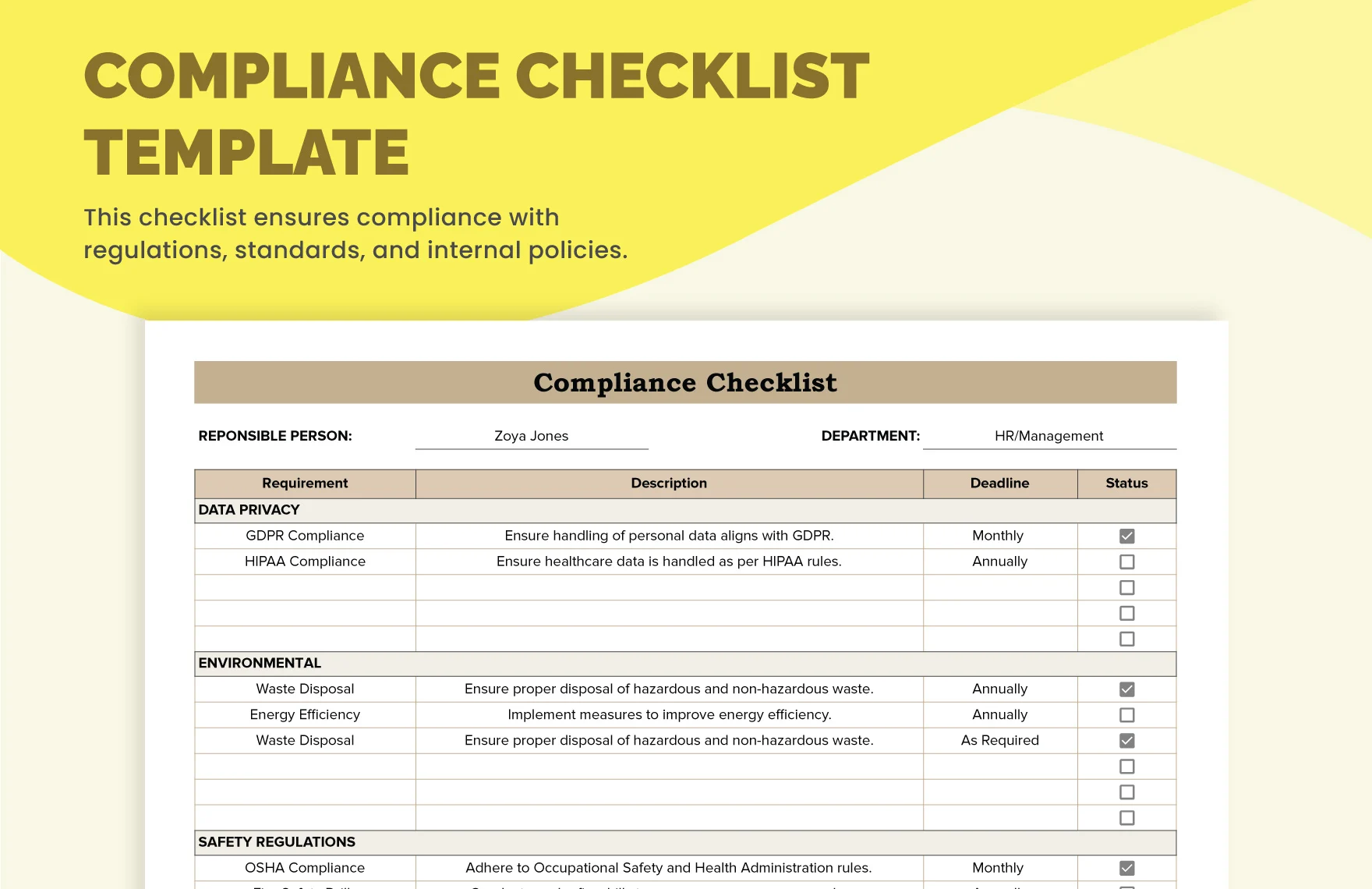 Graphic courtesy of Template
Compliance Requirements
Compliance isn’t just a buzzword; it’s the cornerstone of a successful procurement process. Adhering to legal requirements ensures transparency, fairness, and accountability. Several crucial aspects demand attention:
Transparency: Legal frameworks often mandate transparency to prevent favoritism or corruption. This involves clear and open communication throughout the procurement process, ensuring all stakeholders have access to necessary information.
Fair Competition: Equal opportunity is essential. Regulations often demand fair treatment of suppliers, prohibiting discrimination and favoritism, and promoting fair competition.
Documentation and Records: Accurate and detailed documentation is a legal requirement. This involves maintaining records of the entire procurement process, from initial planning to contract completion.
Ethical Standards: Legal frameworks usually emphasize ethical conduct, steering clear of conflicts of interest, bribery, and other unethical practices.
Potential Risks in Procurement
Procurement isn’t devoid of risks. Unveiling and comprehending these risks is crucial for effective risk management:
Legal Non-Compliance: Failing to adhere to legal standards can result in dire consequences, including legal disputes, financial penalties, and damage to an organization’s reputation.
Contractual Risks: Unclear or poorly structured contracts can lead to disputes, delivery issues, and financial losses. Understanding contract terms and obligations is vital.
Supplier Risks: Dependence on a single supplier can pose risks in terms of quality, reliability, and even ethical concerns. Diversification and stringent supplier vetting are crucial.
Data Security and Privacy: In an age where data is a prized asset, procurement processes involving sensitive information require robust security measures to mitigate the risks of data breaches and privacy violations.
Mitigating Risks and Ensuring Compliance
Education and Training: Understanding the legal framework is key. Continuous education and training for the procurement team are crucial to stay updated and compliant.
Legal Consultation: Seeking legal counsel or having a legal expert within the procurement team can provide invaluable insights and guidance.
Robust Policies and Procedures: Implementing clear policies and procedures that align with legal requirements ensures a structured and compliant procurement process.
Regular Audits and Reviews: Periodic audits and reviews help identify gaps and areas for improvement, ensuring compliance and reducing risks.
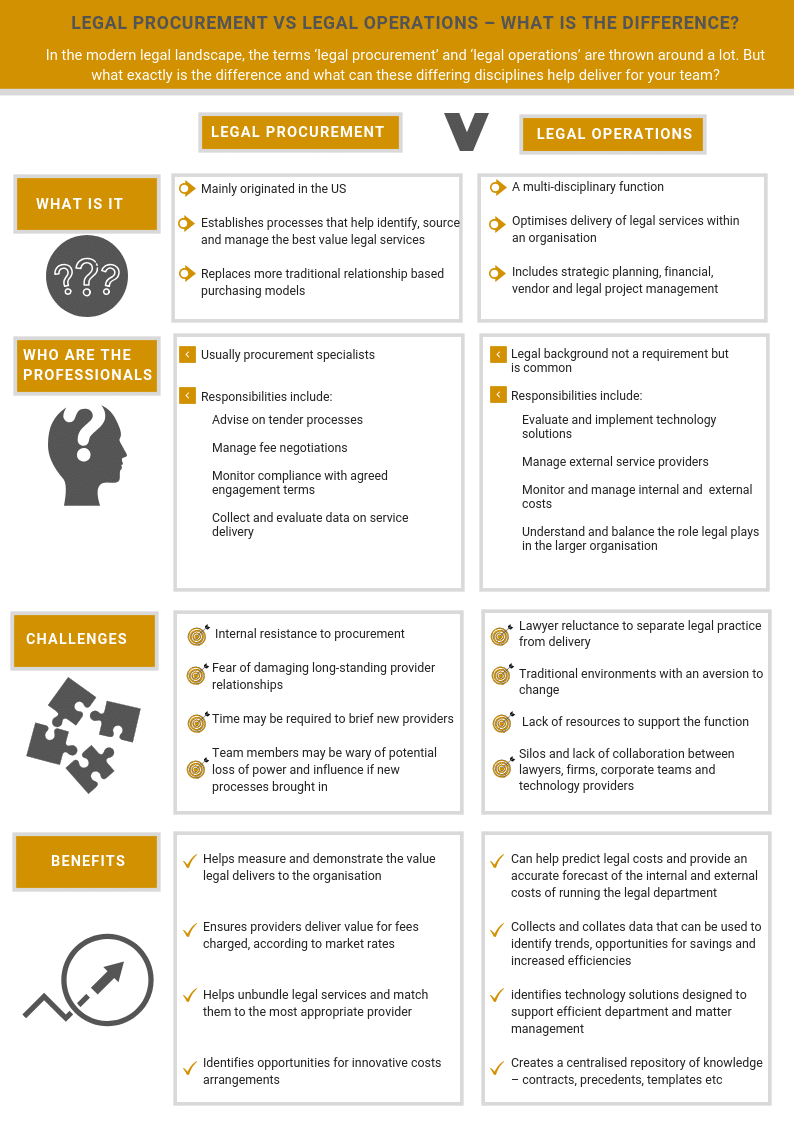 Graphic courtesy of Lawcadia
Leveraging Technology for Legal Compliance
In the modern landscape, technology has emerged as a powerful ally in navigating legal intricacies in procurement. Procurement software and platforms not only streamline the purchasing process but also embed compliance mechanisms within their functionalities. These tools often offer features like automated documentation, audit trails, and compliance checks. Leveraging such technology not only enhances efficiency but also minimizes the margin for error, ensuring legal requirements are met at every stage of the procurement process.
Ethical Procurement and Social Responsibility
Legal compliance in procurement isn’t solely about following the letter of the law; it also extends to ethical considerations and social responsibility. Ethical procurement involves making conscious choices that go beyond profitability, considering the impact on the environment, society, and stakeholders. Understanding and integrating ethical principles into the procurement process, such as sustainable sourcing or supporting local businesses, not only aligns with legal expectations but also elevates the organization’s reputation and social standing.
Collaboration and Risk Sharing
In a dynamic procurement landscape, collaboration among stakeholders becomes pivotal. Collaboration doesn’t merely apply to internal teams but also extends to suppliers, legal experts, and regulatory bodies. Establishing clear communication channels and fostering a collaborative environment mitigates risks by sharing responsibilities and insights. This collective approach not only aids in adhering to legal standards but also creates a network that can foresee, address, and resolve potential legal hurdles more effectively, fostering a proactive rather than reactive approach to legal compliance in procurement.
Adapting to Evolving Legal Landscapes
As a new project manager, staying abreast of evolving legal landscapes is a perpetual necessity. Laws and regulations surrounding procurement are subject to changes influenced by economic, social, and political factors. Regularly monitoring these shifts, whether through industry publications, legal updates, or participation in professional networks, is fundamental. Remaining agile and adaptive in understanding and implementing these alterations is a strategic advantage, ensuring that procurement processes remain compliant and resilient in the face of legal modifications. This adaptability not only mitigates risks but also positions the project manager and the organization for sustained success in a dynamically changing legal environment.
Procurement, as a new project manager, demands a deep dive into the legal framework that governs it. Navigating this landscape requires a keen eye, a commitment to compliance, and a comprehensive understanding of potential risks. By adhering to legal requirements, understanding the potential pitfalls, and implementing robust strategies to mitigate risks, you pave the way for successful procurement processes that contribute to the overall success of your projects.
References:
- “Public Procurement Legal and Regulatory Framework” [ProcurementClassroom] (https://www.procurementclassroom.com/public-procurement-legal-and-regulatory-framework/)
- “Procurement Law – Your 2023 Comprehensive Guide” [ProcurementTactics] (https://procurementtactics.com/procurement-law/)
- “Better together: how legal ops & procurement can team up to take down messy contracts” [SimpleLegal] (https://www.simplelegal.com/blog/better-together-how-legal-ops-and-procurement-can-team-up-to-take-down-messy-contracts)