Embarking on a Journey of Project Procurement Mastery
Picture this: you’re at the helm of a new project, excited and full of ambition, and navigating the complex labyrinth of project procurement. You know that success hinges on securing the right resources at the right time and cost. That’s where we come in. Join us on an odyssey through the fascinating world of project procurement, from the very basics to advanced strategies, as we empower you to become a proficient project procurement manager.
Procurement Unveiled
At the heart of every project lies the procurement process, an intricate dance that ensures the project’s needs are met. It’s an intricate journey, and our expedition begins with a comprehensive understanding of its key steps:
- Identification of Needs: The journey starts by defining the project’s requirements, encompassing everything from materials and equipment to specialized services.
- Supplier Selection1: The process of choosing the right suppliers involves considerations of cost, quality, and reliability.
- Negotiation and Contracting1: Establishing agreements with chosen suppliers involves crafting precise terms and conditions.
- Procurement Execution: This phase involves the active management of procurement, from placing orders to receiving deliveries.
- Supplier Performance Evaluation: Evaluating supplier performance ensures they meet the project’s requirements.
[Note: An excellent resource that delves into detail, highlighting the procurement process in mass is the open-source book Project Management from Simple to Complex1.]
Venturing into Advanced Procurement Strategies
Having grasped the basics, you’re now ready to embark on more daring quests in the realm of procurement:
- Procurement Methods1: Depending on the project’s nature and industry, you’ll encounter various procurement methods, including competitive bidding, negotiated contracts, and sole-source procurement. Knowing when and how to apply these methods is crucial.
- Risk Management: Advanced procurement managers possess the skills to identify, assess, and mitigate procurement-related risks. These risks could include supplier defaults, price fluctuations, or delivery delays.
- Cost Estimation: As you advance, you’ll become proficient in preparing detailed cost estimates. These estimates go beyond the purchase price to encompass hidden costs such as transportation, storage, and import duties.
- Legal Aspects: A deeper understanding of contract law and procurement regulations becomes essential. Compliance and adherence to legal requirements are critical to safeguard your project and organization.
Mastering the Tools and Technology of Procurement
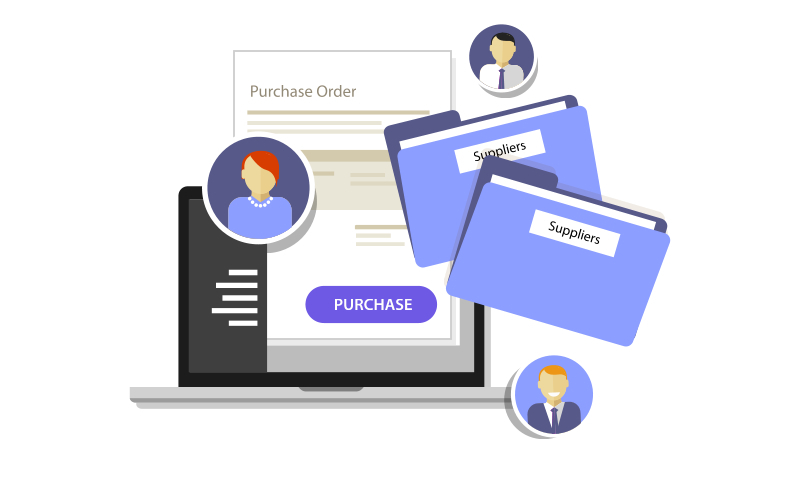 Graphic courtesy of 8 Ways Your Business Can Benefit from E-Procurement
As you advance, you’ll discover that technology is your trusty companion, streamlining the procurement process. With the right tools in hand, you’ll find the path smoother and more efficient:
- eProcurement Systems2: These systems automate procurement, making it more efficient and reducing the chances of errors. They often include features for supplier management, sourcing, and contract management.
- Spend Analysis Tools: Advanced managers utilize these tools to analyze spending patterns, identify cost-saving opportunities, and monitor supplier performance.
- Contract Management Software: Software solutions help in creating, managing, and monitoring contracts, ensuring all terms and conditions are met.
Navigating the Global Procurement Landscape
Our journey takes a global twist, as procurement often involves navigating international waters. Here are some advanced concepts that will be your compass:
- Global Sourcing: Advanced procurement managers excel at identifying and evaluating international suppliers, considering factors such as quality standards, logistics, and currency fluctuations.
- Incoterms3: Understanding standardized international shipping terms (Incoterms) is vital when dealing with international procurement.
- Customs and Import Regulations3: Navigating customs and import regulations is a vital skill for global procurement. Understanding the necessary paperwork and procedures for legal and efficient importation is crucial.
Embracing Sustainable Procurement Practices
 Graphic courtesy of Procurious
With sustainability at the forefront, advanced project procurement managers embrace environmentally responsible practices:
- Green Procurement2: Sourcing eco-friendly products and services reduces the environmental impact of projects.
- Supplier Diversity: Promoting diversity in your supplier base fosters innovation and better risk management.
- Circular Procurement: This approach focuses on reducing waste by considering the entire lifecycle of products, from design and production to disposal and recycling.
The Quest for Continuous Learning and Certification
To become an advanced procurement manager, continuous learning is key. Embark on the path of certification and validation:
- Certifications: Imagine acquiring certifications such as the Certified Professional in Supply Chain Management (CPSM) or Supply Chain Procurement Certificate4. These symbols of expertise keep you in step with industry trends and best practices, as you continue to explore and learn.
Conclusion
Project procurement is a captivating journey that influences the success of any project. As a newcomer in the project management realm, we invite you to embark on this odyssey, beginning with the basics and advancing to the most complex concepts. This quest will equip you with the skills and knowledge needed to excel as a project procurement manager, whether your projects are local or span the globe. Keep learning, stay attuned to industry trends, and embrace evolving technology to master the art of project procurement. Your projects will undoubtedly be the ultimate beneficiaries of your journey!
Resources
Banner image courtesy of Nulab
(https://nulab.com/learn/project-management/everything-need-know-project-procurement-management/)