In this post, I want to take a different approach than my usual blog posts. Today, I’m going to share some bite-sized risk management stories from the real world! Through these anecdotes you’ll see examples of smart risk planning and where poor preparation led to failure. The stories come from all kinds of industries and project types, but focus on universal lessons we can all apply. Even if you’re new to project management, you’ll learn useful takeaways for managing uncertainties from these entertaining tales. I’ll highlight key strategies to deal with curveballs without boring you with a wall of text.
Study 1: Vera Wang
 Graphic courtesy of Wikipedia
Vera Wang is an iconic fashion designer known for her elegant wedding dresses. However, her path to success was not without risk. When Wang graduated from college, she took a job at Vogue magazine as an editor. After 15 years at Vogue, Wang decided to leave and start her own bridal gown company at age 40. This was a major risk, as she was leaving the security of an established fashion magazine to start her own independent business in an industry dominated by larger designers. To mitigate some of them, Wang used savings from her Vogue career to self-finance the endeavor, avoiding risky loans. She conducted market research and started small, only selling to a few stores at first. Her gamble paid off within a year, Vera Wang’s gowns were carried by prominent department stores like Saks Fifth Avenue.
Through calculated risks, passion, and perseverance, Vera Wang achieved her dream of building her own fashion empire and brand at a time when few Asian American women were recognized designers. Her story illustrates effective risk management strategies like self-financing, market research, and phased expansion. From her, we find that taking smart, managed risks can lead to success.
Study 2:
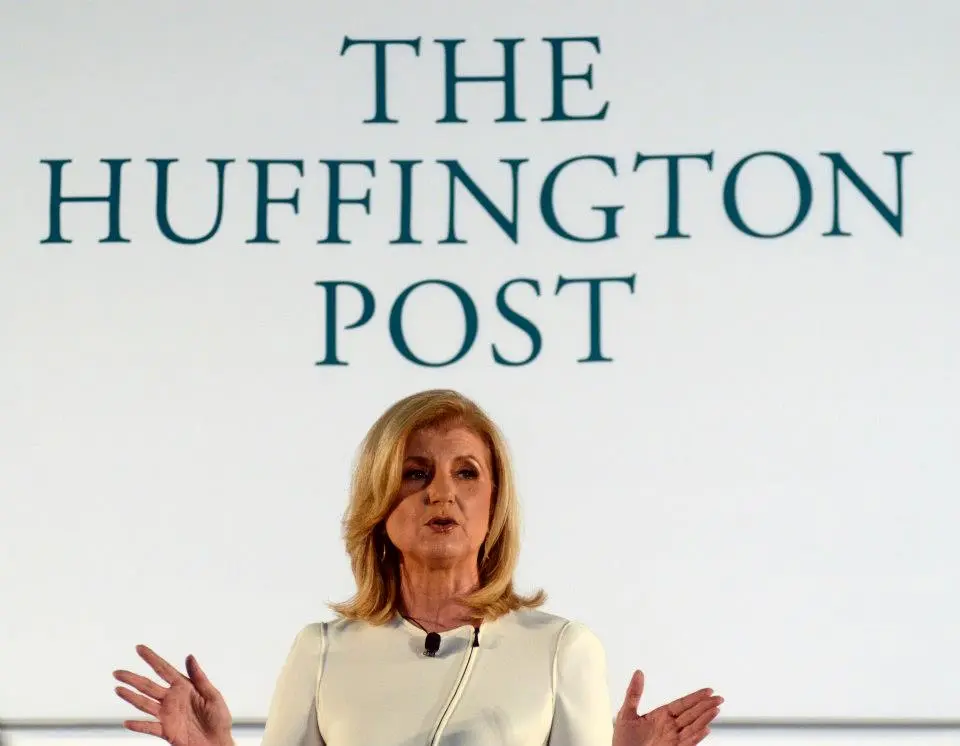 Graphic courtesy of TechCrunch
Arianna Huffington is a businesswoman and founder of The Huffington Post. When launching The Huffington Post in 2005, Huffington implemented several key risk management strategies:
- Diversifying financing: Rather than self-funding, Huffington raised $2 million from multiple investors to spread the financial risk. This startup financing helped mitigate risks.
- Hiring experienced team: Huffington built an experienced team of journalists and editors from the start. This helped ensure high-quality content and reduced execution risks.
- Iterating format: The Huffington Post constantly experimented with new formats like aggregation, blogging, video, and community engagement. This iteration allowed them to adapt quickly based on user feedback.
- Search engine optimization: Huffington focused heavily on SEO best practices to drive traffic and new users despite algorithm changes. This search strategy reduced reliance risk.
- Syndication partnerships: The Huffington Post syndicated content with other outlets like AOL to expand reach. The syndication deals helped grow the audience.
- Selling to AOL: Huffington sold The Huffington Post to AOL in 2011, leveraging AOL’s resources to further mitigate competitive risks.
While not risk-free, Huffington’s savvy risk management strategies allowed her to successfully launch and scale The Huffington Post despite the inherent risks in digital media startups.
Study 3: Maggi Noodles
In 2015, Maggi noodles were banned in India after unsafe levels of lead and MSG were found. Maggi’s risk management failed in several key areas:
- Inadequate testing Maggi relied on internal labs rather than accredited third-parties, allowing quality issues to go undetected.
- Poor transparency When concerns emerged, Maggi was slow to respond and share test results, damaging public trust.
- Weak stakeholder engagement Maggi failed to effectively engage regulators and the public to address concerns.
- Insufficient quality control Maggi’s oversight processes were inadequate to prevent or quickly catch contamination.
- Reactive risk management Maggi did not proactively identify and mitigate potential risks.
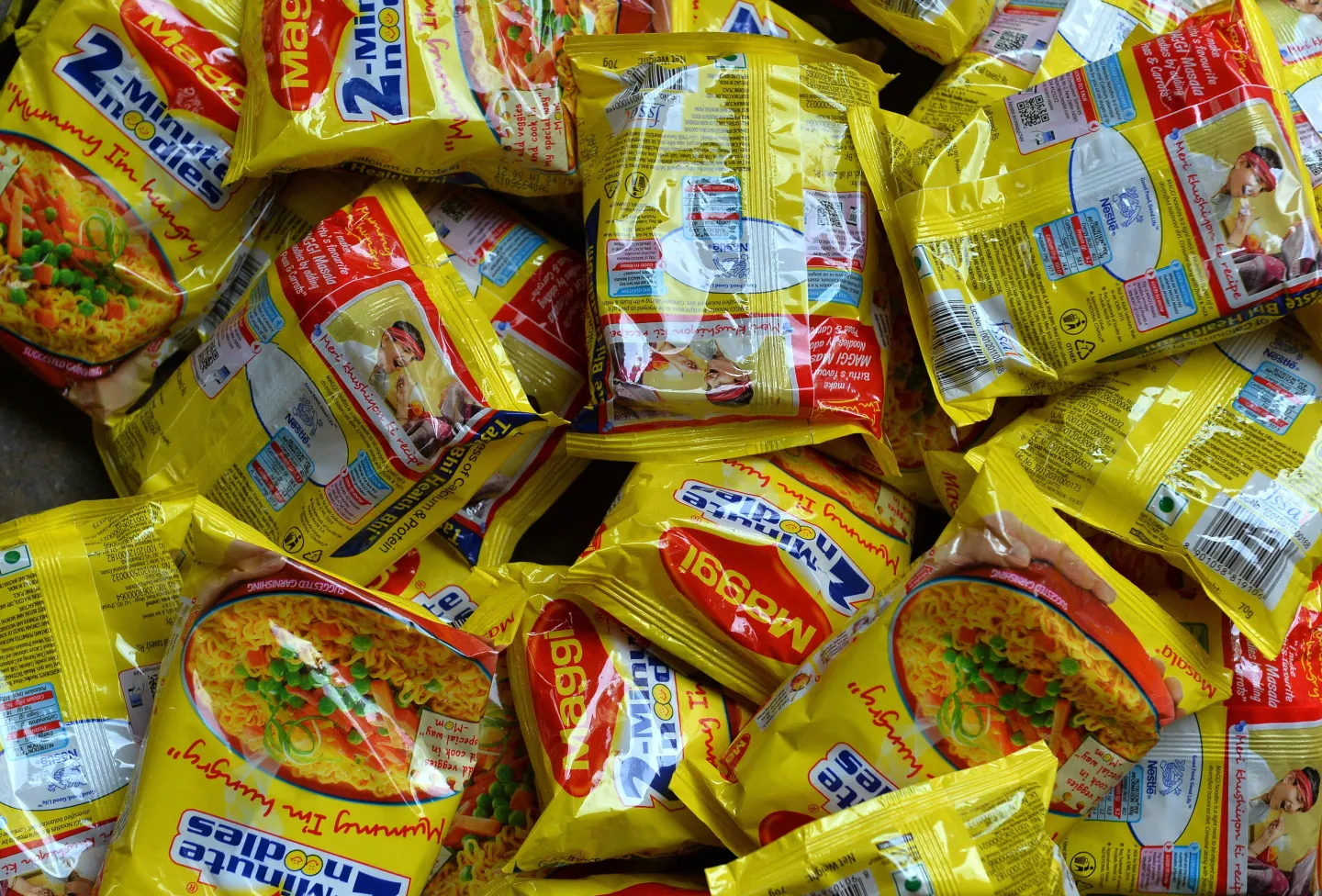 Graphic courtesy of Fortune
Had Maggi utilized accredited labs, prioritized transparent communication, collaborated closely with stakeholders, implemented robust quality control, and made risk management a priority, they could have averted immense reputational and financial damages. For any project, these principles are essential to ensure quality, safety, and stakeholder confidence. Robust risk management is essential for product quality and safety, as Maggi learned the hard way.
Conclusion
We’ve explored how thoughtful risk management enabled Vera Wang’s extraordinary success, while Maggi Noodles’ lack of risk planning led to reputation damage. These real-world examples highlight that risks, managed well, can catalyze growth. But without careful assessment, things can go awry. I hope you found these stories insightful for appreciating risk management’s pivotal role. With evaluation of potential risks and rewards, plus proactive planning, you too can take calculated risks that yield rewards, avoiding major missteps. Risk management, done right, allows for strategic growth. Our examples hope to have demonstrated this in an engaging way. I wish you the best as you undertake your own measured risks!
References
https://www.inc.com/partners-in-leadership/5-wildly-successful-entrepreneurs-reveal-how-risk-taking-propelled-their-careers.html
https://www.linkedin.com/pulse/maggi-classic-case-risk-management-failure-sonjai-kumar-sirm/
https://www.entrepreneur.com/leadership/arianna-huffington-thought-huffpost-would-be-her-last/322204
Banner image Generated with AI ∙ November 6, 2023 at 8:32 PM