Project Risk Management
Another day, another moment in time where we learn another wonder of project management. This post is another page in Agile with project risk management. Identifying risks is an important step in this stage of your project due to the various consequences that could occur if it was not addressed properly. The major downside in not identifying risks is a huge loss in funds or effort that was put into the project and which could later cascade into investors pulling their funds or canceling the project. This is harmful both to you and the company, which leads to the question: how can you identify risks that you don’t know exist?1
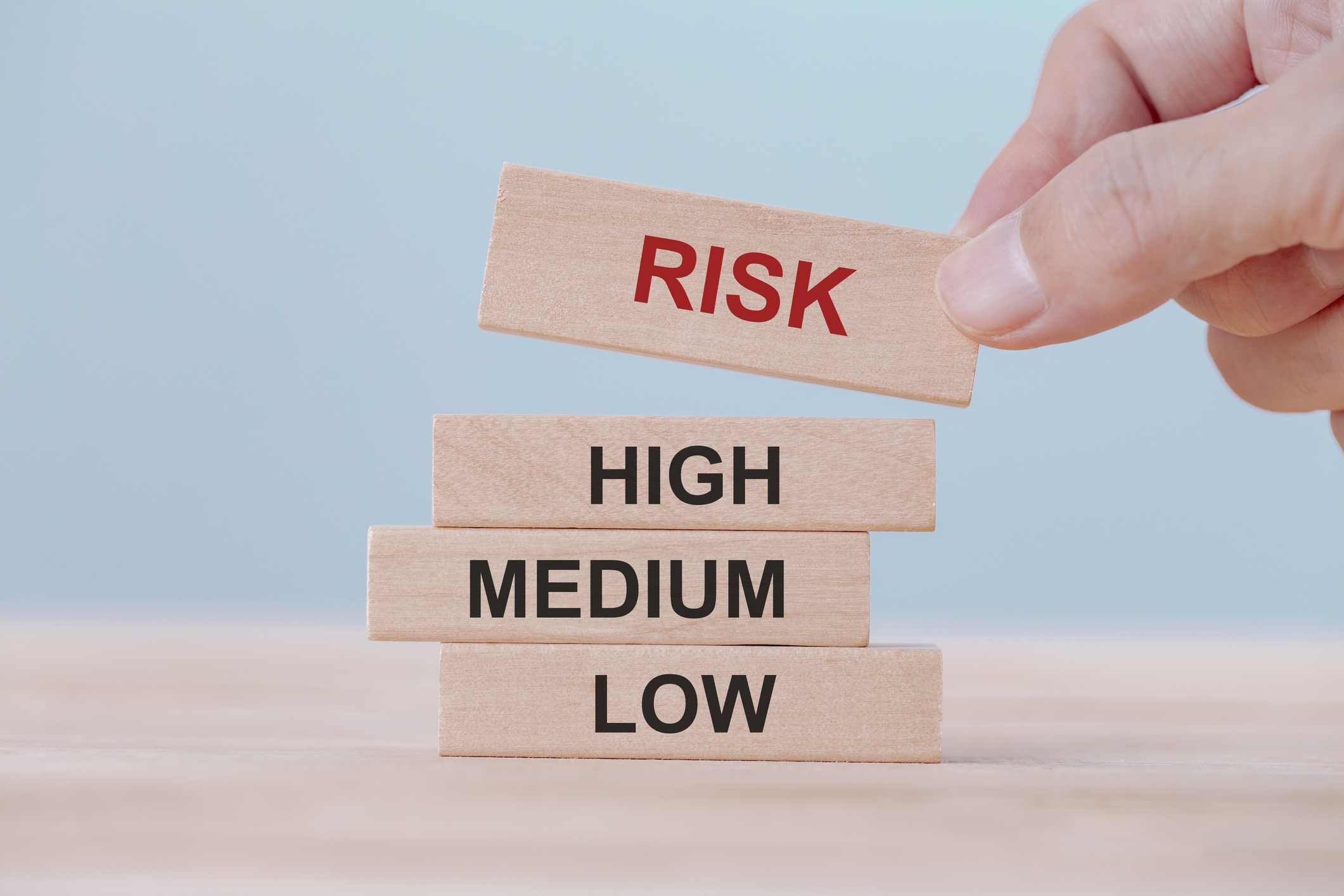 Graphic courtesy of Wrike
There are a variety of identifying risk techniques that have been used over the years with the most common being: brainstorming, SWOT analysis, root cause analysis, Delphi technique, interviewing, inspections, and affinity diagram. Some of these techniques can be done day-to-day or by weekly which is ultimately decided by the project manager, but we recommend that it be best to assess your risks as often as possible as you continue through your project. 2
Effective Risk Techniques
Brainstorming You are bringing your team members together to discuss with each other what are ways the team can solve a problem and it should be conducted without any judgment as much as possible. This is good in coming up with risks on the spot all at once, of course this is not limited to your development team, it can also include your management team or other departments that have their own concerns or risks they would like the project to consider.3
 Graphic courtesy of American Management Association
SWOT Analysis: Which stands for strength, weakness, opportunities and threat. Being able to identify the consequences of a project in the near or far future would help you understand the strengths and weaknesses of the project as well. This is very effective when you are trying to understand the impacts the project would have not only on you as an individual, but its impact on your company or business that you are part of.
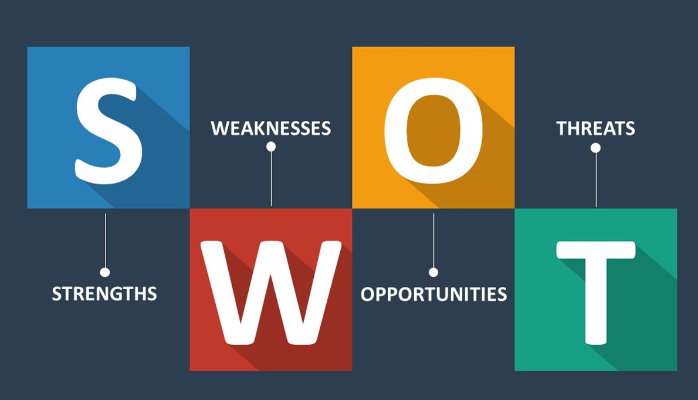 Graphic courtesy of Medium
Root Cause Analysis: Identifying the main cause for the risk to occur is crucial to mitigate the damage that could come if the risk is left alone or is a continuous problem in your project. Not only is it a waste of resources, it could also increase the cost of your project in the long-term if it is not addressed. I would give a word of caution as you are looking for the root cause of a risk, because you should not be spending all of your resources on finding the cause, instead you should delegate the task to however much you consider is needed. Depending on the risk it should be left to your more experienced problem solvers or if it was a personal error, then have the employee who is responsible for the risk take care of it.
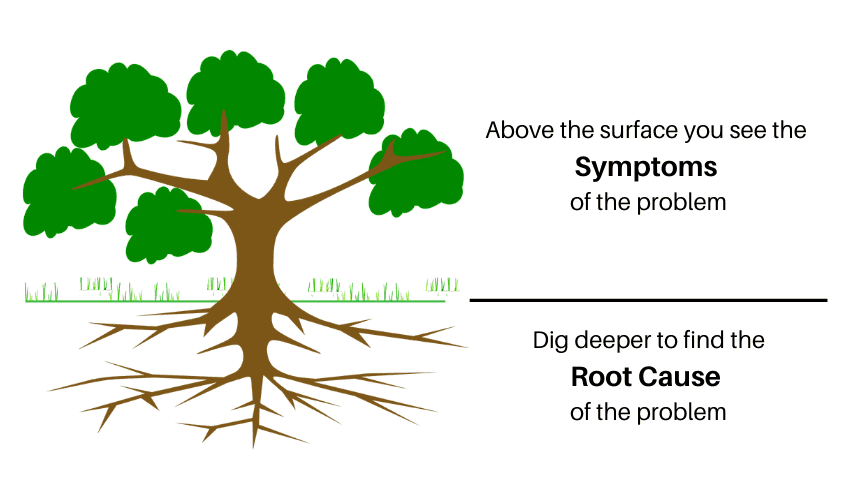 Graphic courtesy of Up Skill Nation
Delphi Technique: The most effective risk identifying technique in my opinion. This is where you have a panel of experts write their opinions anonymously in the form of a questionnaire and go through several rounds after summarizing their results after each round until there is a general consensus. This is really effective in understanding what your team identifies as a risk and everyone is able to give their opinion freely. While also cutting down on risks that may not be considered as a major risk that needs to be addressed immediately.
Interviewing: This is a one-on-one risk identification method that focuses on an experts or project team member’s opinions that focuses on their experience whether it was recent or further back in their career that would help you as a manager to collect a lot of information and make valid decisions. You will get more valuable information to consider if you prepare your questions before the interview and already have in mind how you are gonna lead the interview.
Summary
These are the effective techniques that you can use to help identify risks on a project and help you get a broader perspective of the impacts these risks can have not only on an individual but even company level impact. I would always take my time in understanding the project first and then consider risks based on time, resources, and anything that you cannot control. This is my best advice that I could give when you are trying to identify risks as you want to prepare for the worst case scenarios as much as possible.
There are a couple of more risk identifying techniques that are out there that you could learn more about and get a better idea on how they can help you decide which technique would be best for your situation. I will provide some in the bullets below.
Extra Resources
-
This website is another blog that gives you a brief overview of some of the techniques that we discussed and others that were not discussed in this blog post. 7 methods and tools for project risk management
-
If you are really into research and want to learn more about risk management from a scholarly view then I recommend this website. From the Project Management Institute