Smooth Sailing in Project Management: Tackling Communication Challenges
Effective communication serves as the sturdy keel that steers your project towards success, averting potential misunderstandings and conflicts that could otherwise derail your progress. In this blog post, we will set sail on a voyage to uncover and resolve the prevalent communication challenges faced by project teams.
Understanding the Importance of Effective Communication
Before we delve into specific communication challenges and how to address them, it’s essential to recognize why communication is so vital in project management. Communication is the lifeblood of any project, as it ensures that:
- Clarity: Proper communication establishes a clear project vision and objectives for the entire team. When everyone understands their roles and responsibilities, you’re less likely to face confusion or misunderstandings.
- Coordination: Effective communication helps in coordinating efforts among team members, ensuring that they are all working towards a common goal. Without it, your project could easily veer off course.
- Problem Solving: When challenges arise, good communication enables your team to discuss issues, brainstorm solutions, and make informed decisions. Poor communication can lead to conflicts or, even worse, project derailment.
- Stakeholder Engagement: Communication isn’t just internal; it’s crucial with external stakeholders. Keeping clients and other stakeholders informed is vital for their satisfaction and your project’s success.
Now that we’ve set the stage let’s dive into the common communication challenges that you, as a new project manager, may encounter.
Identifying Common Communication Challenges
Lack of Clarity in Goals and Expectations
- Symptoms: Team members may be unsure about their roles and responsibilities, leading to confusion and unproductive work.
- Solution: Clearly define project goals, roles, and expectations in a project charter or kickoff meeting. Encourage open dialogue and question clarification.
Ineffective Team Meetings1
- Symptoms: Meetings become lengthy, unproductive, or unfocused.
- Solution: Set a clear agenda, time limits, and objectives for each meeting. Encourage participation and limit attendees to only those necessary.
Miscommunication
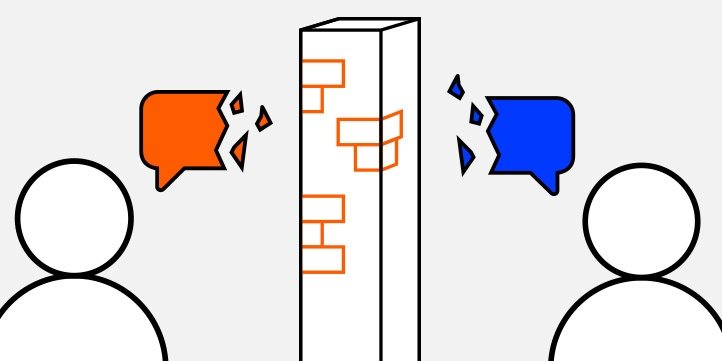 Graphic courtesy of Appspace
- Symptoms: Messages are misunderstood, leading to mistakes or delays.
- Solution: Promote active listening and encourage team members to ask questions for clarity. Use various communication channels (e.g., email, chat, or video calls) appropriately.
Cultural and Language Differences1
- Symptoms: Multinational teams may face challenges due to language barriers and different cultural norms.
- Solution: Encourage cross-cultural awareness and consider using translation tools or interpreters when necessary.
Remote Work Challenges
- Symptoms: Remote team members may feel isolated, leading to decreased engagement and productivity.
- Solution: Utilize collaboration tools, schedule regular check-ins, and foster a sense of community through virtual team-building activities.
Conflict Resolution
- Symptoms: Conflicts between team members can escalate if not addressed promptly.
- Solution: Implement a conflict resolution process, and be a mediator when necessary. Encourage open and respectful communication between the parties involved.
Addressing Common Communication Challenges
Effective Communication Plan2
Develop a comprehensive communication plan at the project’s outset. Document the preferred communication channels, the frequency of updates, and the recipients of each type of communication. This plan should evolve throughout the project as new communication needs arise.
Clear Documentation2
Create a project charter or a detailed project plan that outlines goals, roles, and responsibilities. Ensure everyone has access to this document and knows where to find it.
Regular Check-Ins3
 Graphic courtesy of Joinassembly
Schedule regular one-on-one meetings with team members to discuss their progress and concerns. This open line of communication can help resolve issues before they escalate.
Effective Meetings
To avoid unproductive meetings, send out agendas in advance and ensure meetings stay on track. Encourage participation, and remember that not all issues require a meeting; some can be handled through written communication.
Tailored Communication
Recognize that different team members may have different communication preferences. Some may prefer emails, while others may prefer face-to-face meetings. Adapt your communication style to meet their needs.
Training and Development
Provide training on effective communication, conflict resolution, and cross-cultural awareness. Investing in your team’s communication skills can yield long-term benefits.
Technology Tools
Utilize technology to bridge the gap for remote team members. Collaboration tools, project management software, and video conferencing platforms can make remote work seamless.
Encourage Feedback3
Create an environment where team members feel comfortable providing feedback and raising concerns. Regularly solicit their input on the project’s progress and communication processes.
Conflict Resolution Process
Establish a clear process for resolving conflicts within the team. Encourage open, respectful, and solution-focused discussions, and be prepared to step in as a mediator when needed.
Celebrate Successes
Remember to celebrate achievements and milestones. Recognition and positive reinforcement can improve team morale and motivation.
Conclusion
Successful project management hinges on effective communication. By proactively identifying and resolving typical communication obstacles, you can avert misunderstandings and conflicts that could otherwise jeopardize your project. As a project manager, you are now equipped to navigate your team towards a smoother journey, guaranteeing the success of your project.
Keep in mind that effective communication is not a one-size-fits-all strategy. Embrace flexibility and adaptability in your approach, and remain receptive to feedback and opportunities for improvement. With experience, you’ll continuously hone your communication skills, evolving into a more adept and efficient project manager.
Bon voyage on your project management journey, and may you navigate the seas of communication with confidence and success!
Resources
Banner image courtesy of Atlassian
(https://www.teamly.com/blog/wp-content/uploads/2022/01/Cost-Management-in-Agile-Projects.png](https://www.atlassian.com/blog/teamwork/how-to-navigate-diverse-communication-styles-at-work)https://www.atlassian.com/blog/teamwork/how-to-navigate-diverse-communication-styles-at-work)
-
“Communication Challenges In Project Management (And How To Resolve Them)” t2conline ↩ ↩2
-
“Communication Issues and Solutions for Project Implementation” Projectmanagement ↩ ↩2
-
“Top 10 Communication Mistakes by Project Managers” Invensislearning ↩ ↩2