Effective communication is the cornerstone of successful project management. As a beginner in project management, understanding how to tailor communication strategies to different stakeholders is crucial for ensuring the smooth execution of projects. Stakeholders come in various forms, including team members, clients, and upper management, and each group has unique expectations and needs. In this blog post, we will explore the essential principles of tailoring communication strategies for different stakeholders, providing you with a solid foundation to excel in your role as a project manager.
Understanding Stakeholder Diversity
Before diving into the specifics of tailoring communication strategies, it’s essential to grasp the diversity among your project’s stakeholders. Each group has distinct objectives, interests, and concerns:
Team Members: Your team members are the backbone of your project. They need detailed information and clear instructions to carry out their tasks effectively. Team members appreciate open, regular, and transparent communication.
Clients: Clients have a vested interest in the project’s outcome, as they are the ultimate beneficiaries. They are interested in the project’s progress, quality, and how it aligns with their expectations and goals.
Upper Management: Upper management, on the other hand, focuses on the project’s alignment with the organization’s strategic objectives, budget control, and overall success. They require concise and high-level updates that are relevant to the organization’s goals.
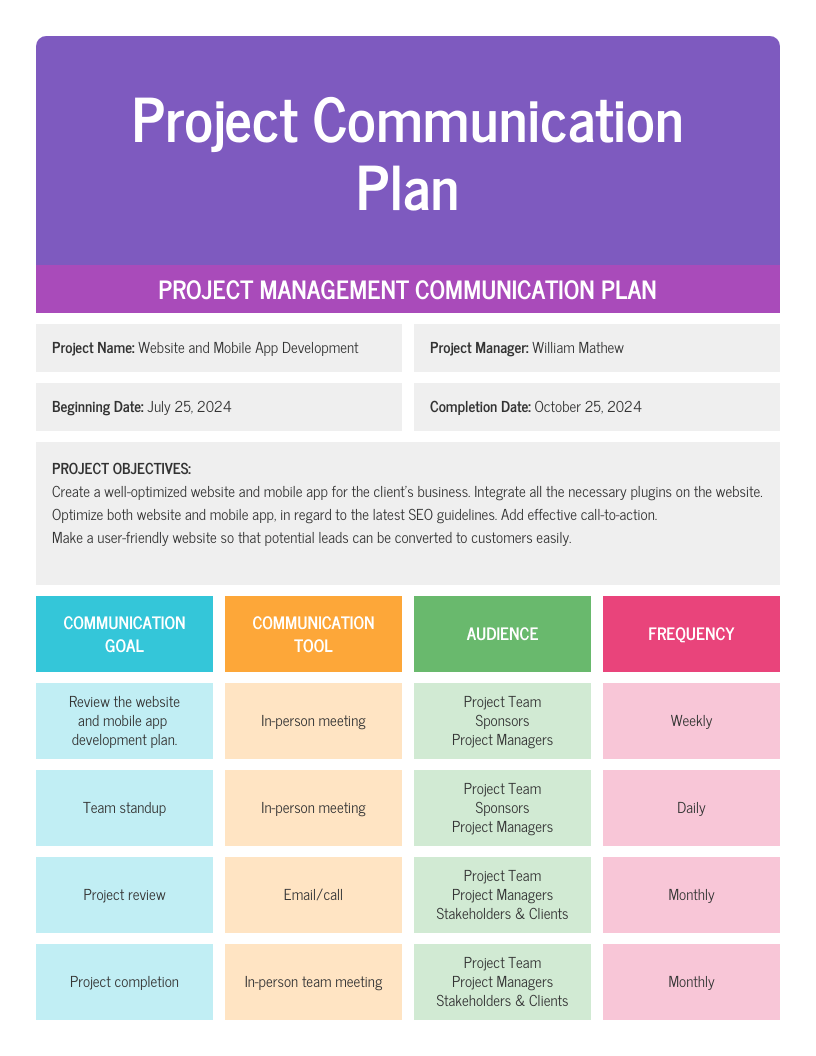 Graphic courtesy of Venngage
Communication with Team Members
When communicating with your team members, your primary goal is to facilitate collaboration and ensure they understand their tasks and roles. Here are some strategies to consider:
Clear and Detailed Instructions: Provide explicit instructions and guidelines for tasks. Be ready to answer questions and offer clarification when necessary.
Regular Team Meetings: Conduct regular team meetings to discuss project progress, share updates, and allow team members to express concerns or suggestions. These meetings can enhance transparency and foster a sense of ownership.
Use of Tools: Leverage project management and collaboration tools to streamline communication and keep everyone on the same page. Tools like Slack, Trello, or Asana can help facilitate communication within the team.
Feedback Loop: Encourage feedback from team members. Listening to their concerns and ideas can lead to improved processes and a more engaged team.
Communication to Clients
Client communication is pivotal for project success, as they have a vested interest in the project’s outcome. Here’s how to tailor your communication strategy for clients:
**Regular Progress Updates**: Provide regular updates on project progress. Share milestones, achievements, and any deviations from the original plan. Ensure transparency and honesty in your communications.
**Manage Expectations**: Keep clients informed about any changes or delays that may affect project timelines or costs. Address concerns proactively and suggest viable solutions.
**Quality Assurance**: Highlight your commitment to delivering a high-quality product or service. Share relevant quality metrics and discuss the measures in place to ensure quality standards are met.
**Tailored Reports**: Develop customized reports that focus on the aspects of the project that matter most to your clients. Avoid technical jargon and present information in a clear and easily digestible format.
Communication to Upper Management
When communicating with upper management, your aim is to provide concise, high-level updates that align with the organization’s strategic objectives. Here’s how to tailor your communication strategy for upper management:
Alignment with Organizational Goals: Clearly articulate how the project aligns with the organization’s strategic objectives. Emphasize the benefits the project brings to the company.
Budget and Resource Management: Address budgetary concerns and resource allocation. Provide information on project costs, any deviations, and how you plan to mitigate them.
Risk Assessment: Discuss potential risks and their impact on the project. Offer mitigation strategies and demonstrate your ability to manage and minimize risks.
KPIs and Performance Metrics: Present key performance indicators (KPIs) that are relevant to upper management. Highlight progress towards project goals and key milestones.
The Importance of Adaptability
One crucial aspect of tailoring communication strategies is adaptability. As a project manager, you must be agile in your communication approach, ready to pivot when necessary. Different stakeholders may have changing needs as the project progresses, so being flexible is key to maintaining effective communication.
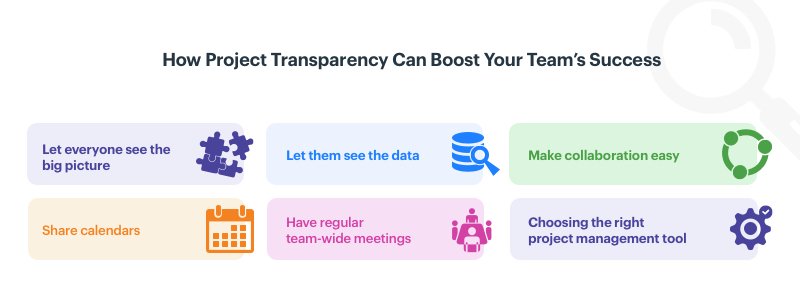 Graphic courtesy of kissflow
Common Problems to Avoid
While adapting your communication strategies, it’s essential to be aware of common pitfalls that can hinder effective communication. Some of these pitfalls include:
Assuming One Size Fits All: Avoid the mistake of assuming that a single communication strategy will work for all stakeholders. Tailoring is about recognizing individual needs and preferences.
Lack of Transparency: Transparency is essential in all communication. Avoid withholding information or glossing over issues, as this can erode trust.
Ignoring Feedback: Failing to listen to feedback from stakeholders can lead to missed opportunities for improvement. Encourage open dialogue and show that you value their input.
Overloading with Information: Be concise and focused in your communication. Avoid overwhelming stakeholders with excessive detail or information that is not relevant to their role or interests.
Neglecting Cultural Differences: In a diverse team or client base, be mindful of cultural differences in communication styles and preferences. Adapt your approach to respect and accommodate these variances.
Conclusion
In the realm of project management, successful communication is a multifaceted skill that evolves as you engage with diverse stakeholders. By tailoring your communication strategies to the unique needs and expectations of team members, clients, and upper management, you can enhance project outcomes and build strong relationships. Remember, effective communication is not a one-size-fits-all endeavor; it requires adaptability, transparency, and a commitment to continually refine your approach. As you continue your journey in project management, these principles will serve as a solid foundation for your success.
References:
- “5 Strategies for Effective Communication within Your Team” [the-ascent] (https://www.fool.com/the-ascent/small-business/project-management/articles/communication-strategies/)
- “Effective Communication Strategies in Project Management” [Medium] (https://bootcamp.uxdesign.cc/effective-communication-strategies-in-project-management-e25c2f843557)
- “The essential project collaboration guide for your team” [teamwork] (https://teamwork.com/blog/project-collaboration/)