Introduction
In the realm of project management, new project managers face the challenging task of leading a team to success while ensuring that the selected team members possess the requisite skills and availability to meet the project’s objectives. This comprehensive blog post will guide you through the essential steps to assign team members effectively, offering valuable insights into avoiding common pitfalls and setting your project on the path to success.
Define Project Objectives
Commence by establishing a clear understanding of your project’s goals and objectives. Defining the project’s scope and desired outcomes is not just a preliminary step; it’s the bedrock upon which the entire project is built. Without a clear understanding of what you aim to achieve, it becomes exceedingly difficult to identify the skills and resources needed for the journey ahead.
Create a Skills Inventory
Following the delineation of your project’s objectives, the next logical step is to create a skills inventory. This inventory should encompass technical skills, soft skills, and any specialized knowledge necessary for the successful completion of the project. In essence, it’s your guide to the specific competencies required within your team. Having this inventory at your disposal will not only streamline the team selection process but also serve as an ongoing reference point throughout the project.
Assess Team Member Availability
Availability, often an underestimated factor, is a pivotal element in team assignments. Ensuring that team members are available to work within the project’s planned timeline is crucial. Failure to account for availability can lead to project bottlenecks, missed deadlines, and increased stress for the team members. When determining availability, consider variables such as existing commitments, planned vacations, and potential workloads. Striking a balance between the immediacy of the project’s demands and the team’s existing obligations is essential.
Identify Potential Team Members
With your skills inventory and availability information in hand, the time is ripe to identify potential team members within your organization. Begin by scanning the pool of available resources, taking into account their roles, expertise, and track record within the organization. It’s this initial selection process that lays the groundwork for assembling a team with the right blend of skills and experiences.
Evaluate Skills and Experience
After identifying potential team members, the next phase involves evaluating their skills and experience. This is where the rubber meets the road, and the core of your project’s success is determined. Consider factors such as:
- Technical Skills: Do team members possess the necessary technical skills to perform project tasks? Are they proficient in the tools and technologies required for the project’s successful execution?
- Soft Skills: Beyond technical competencies, assess their soft skills. Are they effective communicators, team players, and adept problem solvers? Soft skills can significantly impact team dynamics and collaboration.
- Experience: Delve into their professional history. Have they worked on similar projects before? What were the outcomes? Experience can be a valuable asset, particularly if they’ve navigated projects with similar challenges successfully.
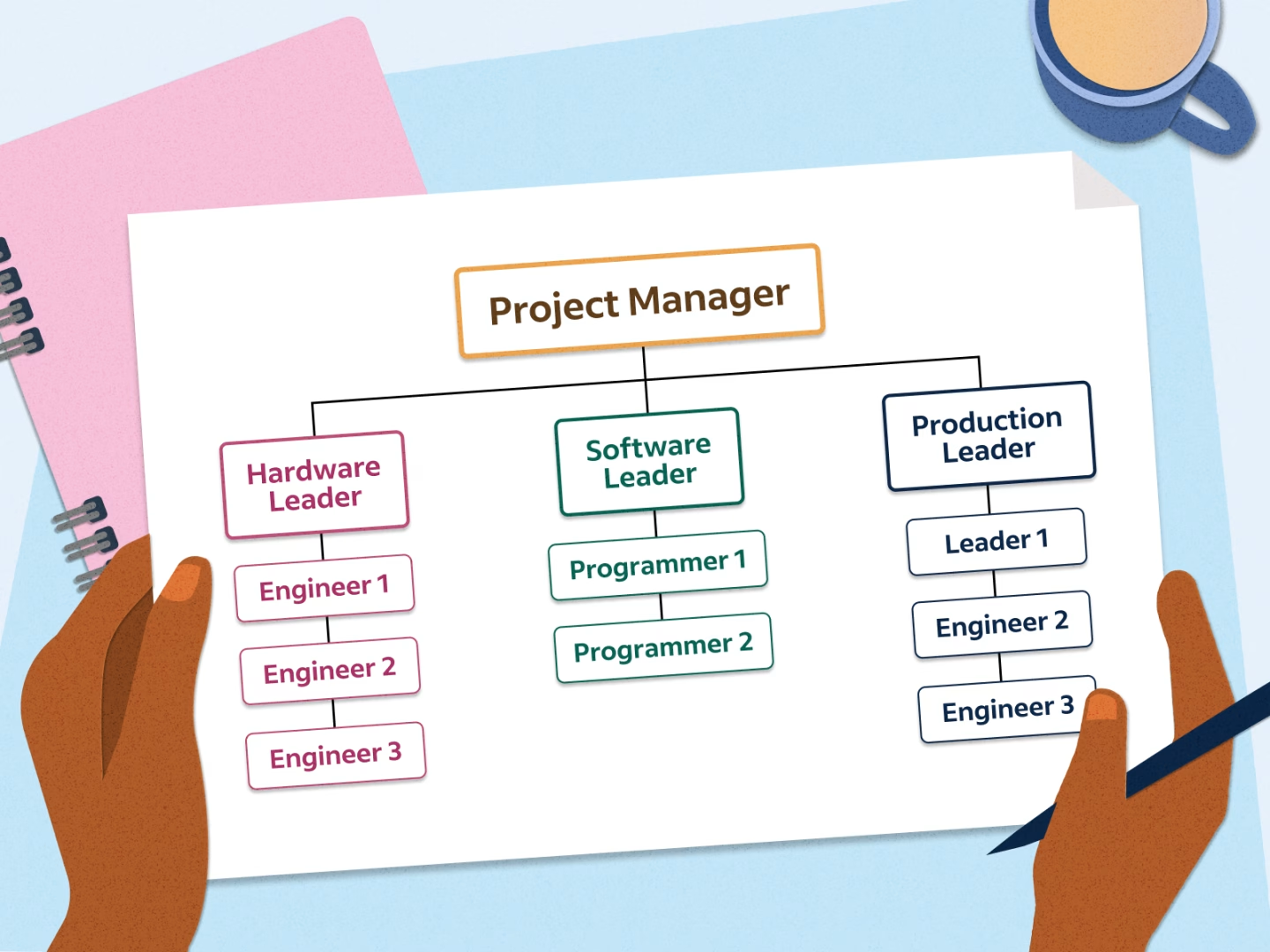 Graphic courtesy of indeed
Assess Availability
Once the skills and experience evaluation is complete, the spotlight shifts to availability. Ascertaining team members’ availability is integral to ensuring that they can commit the necessary time to the project. Initiate discussions with potential team members to gain insights into their existing commitments and availability while taking into consideration potential scheduling conflicts.
Consider Team Dynamics
Team dynamics are often the unsung heroes of project success. It’s not just about individual competence but how the pieces fit together in the grand puzzle of teamwork. While assigning team members, consider how their personalities and working styles may either complement or clash with each other. A harmonious team dynamic can lead to enhanced collaboration and more effective problem-solving, while a discordant one can be a roadblock to success.
Balance Workloads
The well-being of your team and, by extension, the project’s success are intimately tied to workload management. A common pitfall is the overloading or underutilization of team members. Balancing workloads to prevent burnout and to ensure the equitable distribution of tasks among team members is critical. Utilize workload management tools or project management software to visualize and distribute tasks fairly.
Communicate Expectations
Upon selecting the project team, the baton passes to clear and effective communication. Team members should be fully aware of their roles, responsibilities, and the overarching objectives of the project. Effective communication at this stage is pivotal for a smooth project initiation. Ambiguity can lead to confusion, frustration, and decreased morale within the team.
Monitor Progress
Project management is not a one-and-done process. Beyond team assignment, the project’s progress needs constant attention. Regularly monitoring the project’s progress, team performance, and individual contributions is paramount. These check-ins and updates serve as the lighthouse guiding the project through any potential storms. Identifying and addressing issues early can prevent missed deadlines and unaddressed problems from derailing the project.
Common Pitfalls to Avoid
New project managers, in particular, need to be vigilant about common pitfalls during the team assignment process. Recognizing and steering clear of the following errors is essential:
-
Neglecting Clear Objectives: Failure to define clear project objectives can lead to team member confusion and project derailment. Clarity in objectives is the North Star for the entire project team.
-
Ignoring Skills Inventory: Skipping the creation of a skills inventory can result in a mismatch of team members with inadequate skill sets. An inventory provides a roadmap for assembling a capable team.
-
Overlooking Availability: Neglecting to assess team member availability may lead to delays and project bottlenecks. Availability is the bridge between skill and execution.
-
Neglecting Team Dynamics: Disregarding team dynamics can result in conflicts and reduced productivity. A cohesive team is more than the sum of its parts.
-
Failing to Monitor Progress: Neglecting progress monitoring can lead to missed deadlines and unaddressed issues. Proactive monitoring is the compass steering the project toward success.
Conclusion
As a new project manager, the ability to assign team members effectively is a vital skill that significantly influences the success of projects under your stewardship. By following the comprehensive steps outlined in this guide, you can navigate the team assignment process with confidence. Ensure that team members possess the relevant skills and availability required for project success, and adeptly avoid common pitfalls.
Effective team assignment is not merely a task but a crucial facet of project management. Mastery of this skill sets new project managers on the path to becoming respected and successful in their roles. In sum, the assembly of the right team is not just a task; it’s a foundation for project success. In the hands of a skilled project manager, the right team can transform ambitious objectives into concrete achievements.
With these key steps and considerations, you are well-equipped to take on the challenge of team assignment as a new project manager. In the complex landscape of project management, this skill will serve as a cornerstone for your continued success and growth in the field.
References:
- “8 steps of the selection process for hiring employees” [Resources-for-Employers] (https://resources.workable.com/tutorial/employee-selection-process)
- “6 Tips for Choosing Effective Project Team Members” [BrightWork] (https://www.brightwork.com/blog/6-tips-choosing-effective-project-team-members)
- “Project Team Roles and Responsibilities in Project Management” [Indeed] (https://www.indeed.com/career-advice/career-development/project-team)
- “Assembling a Project Team: Roles, Responsibilities & Best Practices” [ProjectManager] (https://www.projectmanager.com/blog/assemble-a-project-team)