Stepping into a management role for the first time can be daunting, especially when it comes to clearly directing your team. While it may seem easier said than done, providing detailed instructions and outlining clear project requirements for your team members is a critical skill for any new leader to develop.
By taking the time to thoroughly explain expectations and desired outcomes, you show respect for your team’s skills and experience. More importantly, you set everyone up for success by ensuring all parties share a common vision of the goals, standards, and timeline. Though it requires effort upfront, establishing this aligned understanding enables smoother collaboration and execution as the project moves forward.
In this article, we’ll explore methods and best practices for effectively communicating project details and expectations as a new manager.
Explaining the Project Scope and Goals
Now that we know the importance of clear communication, let’s dive into the details of framing a project for your team! The first key step is providing a high-level overview that maps out the scope and frames the desired end state.
Give a brief but thorough explanation of what the project aims to accomplish, whether it’s developing a new product feature, improving an internal process, or hitting a certain sales target. Outline the specific goals and metrics that will define success, like launching on schedule, staying within budget, or increasing customer satisfaction scores. This grounds the team in the concrete outcomes to orient their work towards.
Another note is to explain the business context and reasons for taking on this project, so the team understands how their piece fits into the bigger picture goals and strategy. When they see the forest for the trees, it fuels engagement! More officially put, with a clear view established, we can now get into the specifics of execution.
Breaking Down Project Tasks
With the big picture framing complete, we can dive into breaking down the project plan into actionable stages, milestones, and tasks. Think of this planning process like assembling a jigsaw puzzle - first sort through the pieces by outlining major phases, then fill in granular task details.1
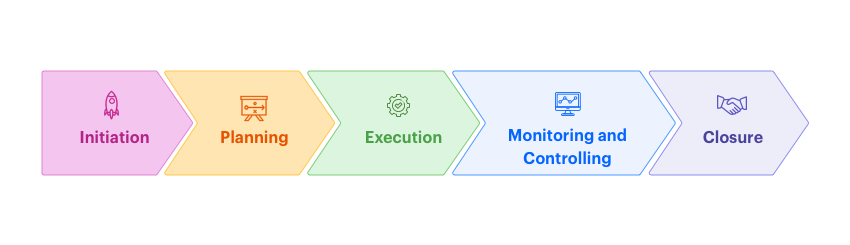 Graphic courtesy of Kissflow
Start by defining the key phases and milestones that will serve as the skeleton of the plan. Common stages include initiation, planning, execution, performance/monitoring, and closure.2 Under each phase, comprehensively list the steps, deliverables, and requirements needed to complete that segment of work. Outline key objectives, requirements, and standards, but allow room for creativity and problem solving on the team’s part. When applicable, supplement written plans with visual workflow diagrams or Gantt charts to demonstrate task sequencing. Make sure to communicate that these tools serve as flexible guides, not strict constraints.
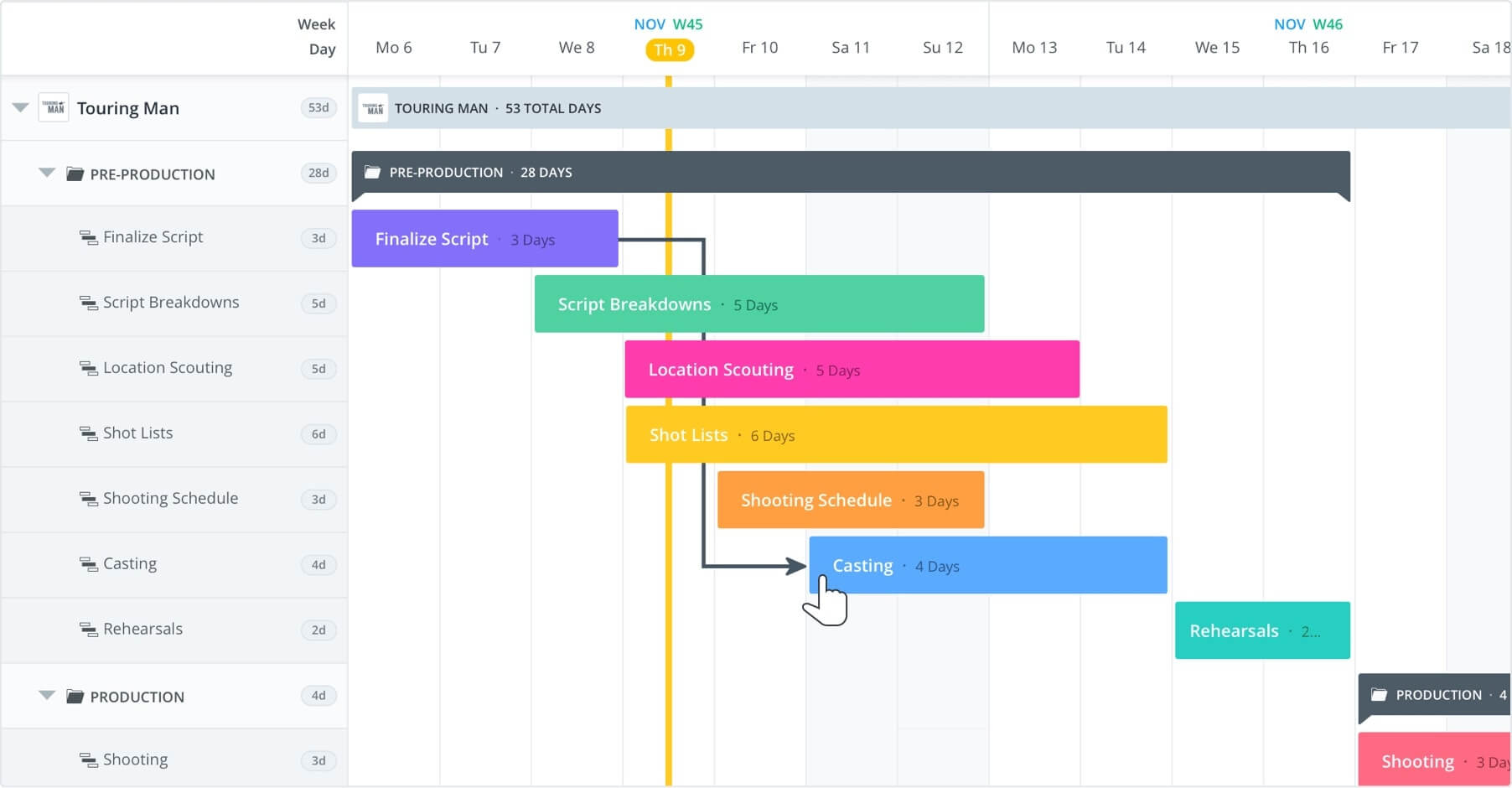 Graphic courtesy of StudioBinder
Remember that project plans are living documents that require care and adjusting! Schedule regular check-ins to solicit feedback, assess progress, and adjust timelines accordingly. With this collaborative, iterative approach we can build a cohesive roadmap that sets teams up for success.
Setting Clear Expectations
An essential aspect of project planning is defining what success looks like in a way that leaves no room for ambiguity. For each task, you’ll want to explain the desired outcomes in detail, as well as provide acceptance criteria. As you may know, acceptance criteria are the “conditions that must be satisfied for a product, user story, or increment of work to be accepted,”3 basically spelling out exactly what must be included for work to meet quality standards. While giving comprehensive guidelines, be sure to allow room for team members to utilize their expertise and creativity in accomplishing the established objectives.
Additionally, set realistic timelines and deadlines for deliverables that push the team while remaining achievable. With clearly aligned vision on the targets, acceptance criteria, and performance metrics, the team will be equipped to focus their efforts and reliably deliver exceptional results that fulfill everything required from them.
Promoting Understanding
After explaining project details, take proactive steps to validate understanding and facilitate clarity across the team. For example, you could have team members summarize or explain back their individual tasks and responsibilities to confirm accurate interpretation. Make yourself readily available to answer questions, offer clarification when ambiguities arise, and provide guidance when needed. If a team member seems unsure about a deadline, walk through it again until they feel confident.
Also, implement regular check-in meetings or touch points to serve as opportunities for team members to raise concerns, highlight areas of confusion, and resolve any gaps in understanding. A great way of facilitating this would be a daily Scrum meeting, see our previous articles about Agile for more information on this! Either way, promoting open dialogue and continuous improvement will help ensure instructions are interpreted correctly from the start.
Conclusion
In conclusion, providing clear, comprehensive project instructions, requirements and expectations may seem tedious but is time well spent. When teams have a shared understanding of the roadmap, everything becomes easier! With defined goals, acceptance criteria, and proactive clarification, teams can collaborate smoothly and deliver exceptional work. Investing in transparency and communication creates a foundation for trust and success.
References
Banner image courtesy of StudioBinder
-
”Executing a Project is like Assembling a Jigsaw Puzzle” (https://www.modernanalyst.com/Resources/Articles/tabid/115/ID/5786/Executing-a-Project-is-like-Assembling-a-Jigsaw-Puzzle.aspx) ↩
-
“5 Phases of Project Management – A Complete Breakdown” (https://kissflow.com/project/five-phases-of-project-management/) ↩
-
”Everything You Need to Know About Acceptance Criteria” (https://resources.scrumalliance.org/Article/need-know-acceptance-criteria) ↩