Introduction
Effective project management is a multifaceted endeavor, encompassing various elements like planning, execution, monitoring, and control. One critical aspect of project management is defining quality criteria and key performance indicators (KPIs) to measure a project’s progress and success. In this blog post, we will delve into the importance of collaboration in establishing these standards and explore the benefits it brings to project managers and their teams.
Understanding Quality Criteria and KPIs
Before we explore the significance of collaborative efforts in defining quality criteria and KPIs, let’s clarify what these terms mean in the context of project management:
Quality Criteria: Quality criteria are predetermined standards that a project must meet to be considered successful. They encompass specific attributes, characteristics, and benchmarks that are critical to the project’s success. Quality criteria often relate to factors such as functionality, performance, reliability, and compliance.
Key Performance Indicators (KPIs): KPIs are quantifiable metrics that help project managers track the project’s performance and progress. They provide a clear, data-driven view of how the project is meeting its quality criteria and other objectives. Common project KPIs include cost, schedule, scope, and customer satisfaction metrics.
The Collaborative Approach to Defining Quality Criteria and KPIs
Involving Stakeholders: One of the primary reasons for adopting a collaborative approach in defining quality criteria and KPIs is to ensure that the perspectives and expectations of all relevant stakeholders are taken into account. This includes not only the project team but also clients, end-users, and other parties invested in the project’s outcome. Their insights are invaluable in determining what quality means for the project.
Knowledge Sharing: A collaborative approach encourages knowledge sharing among team members. Each individual, with their unique expertise, contributes to the collective understanding of the project’s requirements and goals. This shared knowledge can lead to more comprehensive quality criteria and better-informed KPIs.
Alignment with Objectives: Collaborative discussions help align the quality criteria and KPIs with the overall objectives of the project. By involving the team and stakeholders in this process, you can ensure that these standards reflect the project’s purpose and its impact on the organization.
Enhanced Ownership: When team members actively participate in defining quality criteria and KPIs, they feel a sense of ownership and responsibility for the project’s success. This can boost motivation and commitment, resulting in a more engaged and dedicated team.
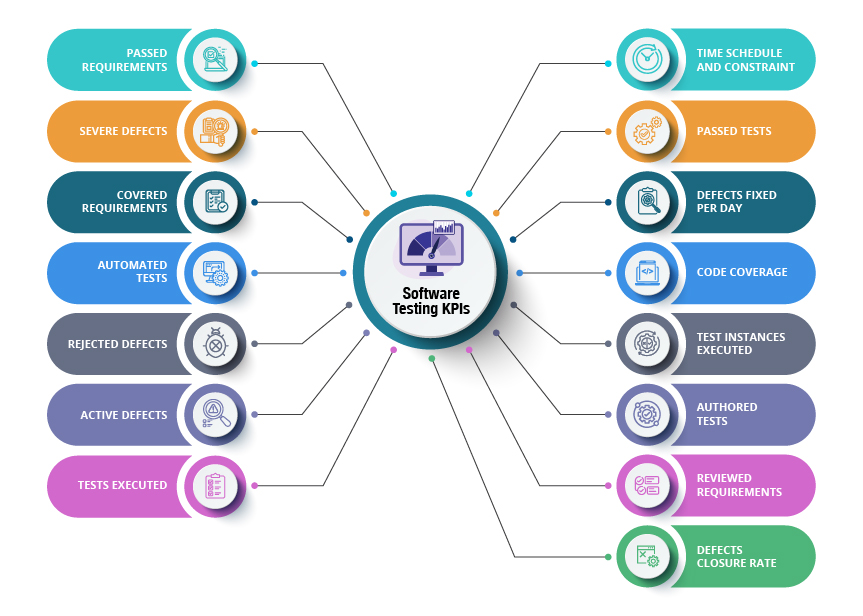 Graphic courtesy of testsigma
Benefits of Collaborative Quality Criteria and KPIs
Improved Decision-Making: Collaboratively defined quality criteria and KPIs provide a well-rounded view of what success means for the project. This, in turn, facilitates better decision-making throughout the project’s lifecycle. When everyone has a say in setting these standards, there’s a higher likelihood that the decisions made are well-informed and in the project’s best interest.
Enhanced Communication: Collaborative efforts foster open communication among team members and stakeholders. When everyone is involved in defining quality criteria and KPIs, they are more likely to actively engage in discussions and share their concerns, ideas, and feedback. This creates an environment where information flows freely, ensuring that any issues or deviations from the plan are identified and addressed promptly.
Increased Accountability: In a collaborative setting, each team member is aware of their role and responsibilities in achieving the project’s quality standards. This heightened accountability leads to a more transparent project management process, with individuals taking ownership of their tasks and contributing to the overall success.
Flexibility and Adaptability: Collaboratively defined quality criteria and KPIs are not set in stone. They can be adapted and adjusted as the project progresses and new information becomes available. This flexibility is crucial in today’s dynamic business environment, where change is often the only constant.
Higher Quality Output: When quality criteria are collaboratively defined, the chances of achieving a higher-quality project outcome increase. This is because the criteria are rooted in a collective understanding of what success looks like, and the KPIs provide a means to measure and ensure adherence to these criteria.
Steps to Implement Collaborative Quality Criteria and KPIs
Now that we’ve established the significance of collaboration in defining quality criteria and KPIs, let’s explore some steps to effectively implement this approach:
Identify Relevant Stakeholders: Start by identifying all the stakeholders who have a vested interest in the project. This includes internal team members, external clients, end-users, and anyone else who will be affected by the project’s outcome.
Conduct Workshops and Brainstorming Sessions: Organize workshops and brainstorming sessions to gather input from the identified stakeholders. Encourage participants to share their views on what quality means for the project and what KPIs should be tracked.
Document the Outcomes: Ensure that all discussions, insights, and decisions are documented. This documentation serves as a reference point throughout the project and helps in maintaining transparency and accountability.
Refine and Prioritize: Collaboratively defined quality criteria and KPIs may need refinement and prioritization. Work with the team to narrow down the list to the most critical standards and metrics that will guide project success.
Establish Reporting Mechanisms: Define clear reporting mechanisms to track progress against the established KPIs. These mechanisms should be accessible to all relevant stakeholders and should be updated regularly.
Regular Review and Adaptation: Quality criteria and KPIs are not static. Regularly review them as the project progresses, and be open to adaptation as circumstances change.
Communication and Training: Ensure that all team members are aware of and understand the quality criteria and KPIs. Provide training and resources as needed to support the team in meeting these standards.
Conclusion
In the realm of project management, defining quality criteria and KPIs is an essential step in ensuring project success. Collaboratively setting these standards has proven to be an effective approach, offering numerous benefits such as improved decision-making, enhanced communication, increased accountability, flexibility, and higher-quality project outcomes.
By actively involving all stakeholders and fostering a culture of collaboration, project managers can create a shared vision of success, align the project with its objectives, and drive it toward achieving the desired quality standards. This not only results in better project outcomes but also strengthens the team’s cohesion and commitment, making collaborative quality criteria and KPIs an invaluable asset to any project manager’s toolkit.
References:
- “10 KPIs for Project Managers and Why They Matter” [ClicData] (https://www.clicdata.com/blog/10-kpis-for-project-managers-and-why-they-matter/)
- “Quality KPIs and Scorecard – Full Guide with Examples” [BSCDesigner] (https://bscdesigner.com/quality-kpis.htm)
- “LAUNCH YOUR NEXT MISSION - PART 1: KEY PROCESS IDENTIFICATION AND KPIS” [nqa] (https://www.nqa.com/en-us/resources/blog/february-2019/as-series-process-id)