Ask any experienced project manager and they’ll tell you the importance of properly managing quality issues and non-conformities. How you address these problems as a new project manager will directly impact your ability to minimize delays, additional costs, and other negative impacts that can derail your projects. While dealing with quality issues can be frustrating, viewing them as learning opportunities to develop ways to identify and correct non-conformities will serve you well throughout your career!
In this article, I will share the essential strategies I’ve learned for implementing quality management procedures, actively monitoring deliverables, and collaborating with teams to rapidly resolve problems. Mastering these skills early on will help you deliver successful projects on time and on budget, keeping your stakeholders satisfied. I hope to impart some of the knowledge I’ve gained to help you develop expertise in this critical area!
Defining Quality Issues and Non-Conformities
Quality issues and non-conformities are problems that occur when project deliverables fail to meet requirements or quality standards. Minor quality issues are small defects that don’t significantly impact the end product, such as typos or formatting inconsistencies.
Major non-conformities are defects that materially affect the product’s functionality, safety, or compliance with regulations.1 Examples of major issues include software bugs that cause crashes, construction materials that fail safety tests, or products that don’t meet legal standards.
Both minor issues and major non-conformities can delay projects and drive up costs if extra work is needed to correct them. Dissatisfied customers may also demand fixes, refunds, or compensation if quality problems aren’t resolved efficiently. Careful quality management is essential to avoid these pitfalls.
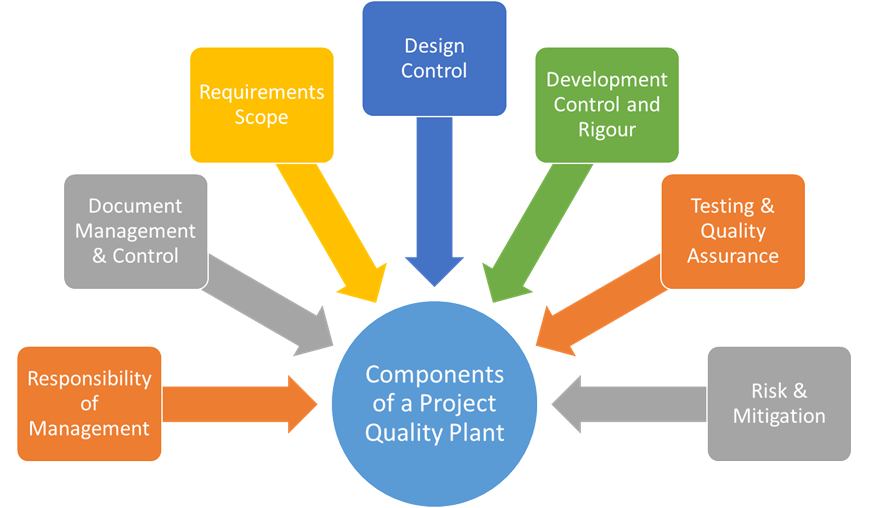 Graphic courtesy of Linkedin
Implementing a Quality Management Process
Implementing an effective quality management process is one of the most important things you can do to ensure your projects succeed. As a baseline for how to achieve this, follow this general guideline:
First, make sure you clearly define requirements and quality standards upfront when you kick off a new project. This sets clear expectations from the start on what “good” looks like. Then, implement regular quality audits, reviews, and testing throughout the project lifecycle to measure progress against those standards. This allows you to catch any problems early when they are easiest to correct.
When issues do arise, document them formally, including a description, priority level, owner, and target resolution date. Getting input from affected stakeholders is key to properly prioritizing and addressing problems. Methodologies like Six Sigma’s DMAIC process provide a data-driven framework to really understand root causes and develop robust solutions.2
The goal should always be continuous improvement. By establishing disciplined quality management procedures upfront that let you quickly identify, report and track issues, you streamline the resolution process. This consistent approach is essential for spotting and correcting problems before they grow and negatively impact budgets, timelines, and customer satisfaction.
Quality management does take work, but it pays off in smoother projects and happier customers!
Roles and Responsibilities
As project managers, we have ultimate responsibility for quality management on our projects. However, quality is a team effort.3
Leverage your developers, who are the first people to detect bugs and defects early through their own debugging and testing. Utilize your testers, who will thoroughly test each build to catch issues before release. Collaborate with your business analyst to review requirements and prevent scope creep down the line. While you may be responsible for quality outcomes, tap into your team’s skills and experience - they are detecting and flagging problems daily. Listen to their ideas for resolving issues efficiently too.
By sharing quality management responsibilities, you’ll address problems proactively and minimize impact on schedule and budget.
Communicating about Issues
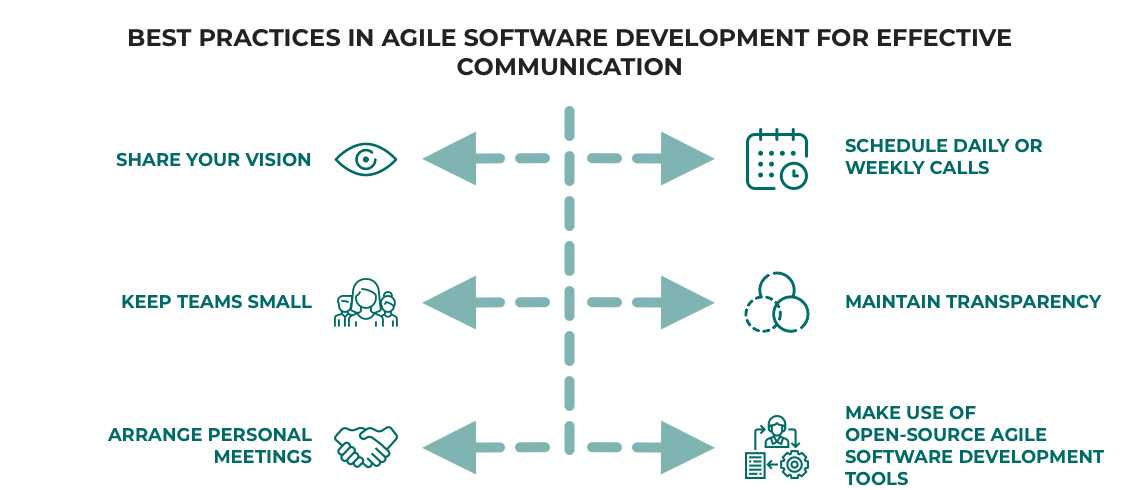 Graphic courtesy of Vilmate
Effective communication is essential when quality issues arise! Be sure to promptly inform both internal team members and external stakeholders of problems through status reports and resolution timelines. Timely, transparent communication emphasizes your commitment to fixing problems quickly and keeping projects on track. Whether issues are minor bugs or critical defects, clearly communicating plans to address them reassures customers you are on top of things. Make it a priority to provide regular updates on progress until problems are fully resolved. Keeping everyone in the loop improves accountability and ensures you deliver quality on time.
Resolving Issues Efficiently
When quality issues occur, act swiftly to minimize impacts. Start by thoroughly analyzing root causes so solutions address the real problem, not just symptoms. Contain issues by implementing workarounds or stopping problematic processes to limit further defects. Develop corrective actions like rework, process changes, or training to address root causes. Clearly define verification procedures to ensure resolutions are effective. Finally, follow change management processes to fully implement corrective actions across teams, systems, and documentation.
Let’s say your team discovers a critical software defect that is causing calculations to be incorrect in certain edge cases. To resolve this efficiently, you should:
- Analyze logs and recreate the issue to understand exactly when and how it occurs. This helps identify the root cause.
- Contain the issue by putting in place warnings and checks to detect the error condition. This prevents further incorrect calculations until the permanent fix is ready.
- Develop a code change to correct the formula or logic based on our analysis. Thoroughly test the change to ensure it resolves the root cause and doesn’t create new problems.
- Verify the fix by rerunning previous test cases and edge cases. Check that the calculations now produce the correct results.
- Roll out the change to production systems. Update documentation with notes about the issue and resolution. Communicate details to the team and affected customers.
- Monitor for recurrence of similar issues. Refine processes to prevent defects from being introduced again.
Conclusion
In closing, implementing strong quality management will set your projects up for success. By focusing on defining clear requirements upfront and conducting regular quality checks, you’ll catch issues early when they’re easy to fix. Having streamlined processes to log, prioritize, and track resolution progress allows you to communicate openly and close issues quickly. With some diligence on quality processes early on, you’ll be rewarded with smoother projects and happy customers.
Quality takes work, but it’s one of the most worthwhile investments you can make. I’m confident you have what it takes to make it happen! Here’s to your quality journey!
References:
Banner image courtesy of Arena Solutions
-
“Non-conformity: what it is and how to deal with it using technology”(https://www.sydle.com/blog/non-conformity-64e4fa8e7317ee3484972195) ↩
-
“The Define Measure Analyze Improve Control (DMAIC) Process”(https://asq.org/quality-resources/dmaic) ↩
-
“Benefits of teamwork and collaboration for software development teams”(https://www.shakebugs.com/blog/collaboration-in-software-development/) ↩