Project managers new to agile often find creating a budget more challenging compared to development methods like waterfall. Agile projects are iterative and continuously adapt to changing requirements, so agile budgets must remain flexible rather than fixed at the start. Because of this, managing resources and costs requires a different mindset than traditional approaches. This article aims to guide new agile project managers through building a budget that aligns with agile values. It covers estimating initial costs, assigning resources between sprints, and adjusting budgets as needs evolve. The goal is to provide practical tips for developing an agile budget that supports short delivery cycles and collaboration. With the right flexible approach, agile budgeting can enable innovation and value delivery instead of limiting it!
Understanding Agile Budgeting
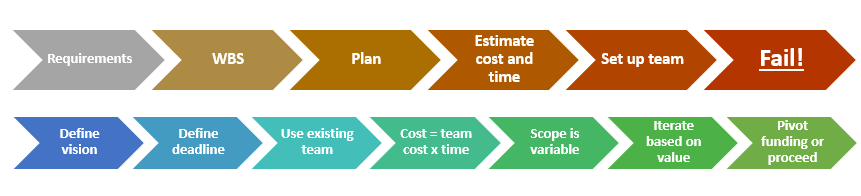
Traditional project budgets are defined upfront and set expectations for delivery based on detailed long-term plans. Agile budgeting works differently due to the iterative nature of development. The goal is to provide enough flexibility to adapt to changing priorities over time.
 Graphic courtesy of Sprint Agile
At the start of an agile project, the overall budget must be estimated based on the known scope of work. But instead of being allocated for specific features, the budget is broken into iterations or sprints. Resources are funded sprint-by-sprint rather than months or years in advance, so costs are continuously monitored and adjusted after each sprint. This approach allows you to respond to change and deliver working software frequently. There’s less pressure to stick to the original plans when the budget can be adjusted, as funds can be reallocated to high-value features if the scope shifts.
The key to success is finding the right balance between structure and flexibility! The following sections will dive into practical steps for planning, allocating, and monitoring an agile budget.
Planning Your Agile Budget
Careful planning is crucial for creating an agile budget that’ll allow you to stay adaptable. Consider these key elements when estimating your initial budget:
- Team size - Account for all roles like developers, testers, designers. Know your full-time equivalent (FTE) headcount.1
- Sprint duration - Standard sprints last 1-4 weeks. The shorter the sprint, the more flexibility you have.
- Team velocity - Estimate your team’s bandwidth based on past performance. This helps with your size backlog.
- Major milestones - Factor in costs for essential milestones, like production readiness.
- Fixed vs variable costs - For example: software licenses are fixed. Consultant costs can vary between each sprint.
- Buffer for uncertainty - Leave room for the unexpected! Anywhere from 3% to 15% of your total budget is wise.2
Keeping these in mind, you can build a high-level budget to fund the first few sprints. The goal is reasonable estimates, not precision. Your accuracy will improve as you go.
Next, focus your early sprints on priority features that offer the most value. Deliver key user stories first and gather feedback for future iterations. This is not only beneficial to budgeting, but to your project as a whole.
Embrace uncertainty and expect to make adjustments! Proper planning will get your agile budget started on the right foot.
Allocating Resources in an Agile Environment
Agile teams complete requirements in short iterations, so resources must be allocated accordingly. Start by planning only enough work for the current sprint based on team bandwidth, while avoiding overcommitting.3
Consider taking a cross-functional approach when assigning tasks. What this means is, give developers, testers, and designers responsibility across features to increase collaboration. By doing this, you empower team members to self-organize around priorities each sprint.
As well, look for opportunities to “load balance” work across sprints. Major features can be broken into stories and spread out. This prevents resource bottlenecks.4
Projects change often, so resource planning is a recurring activity. Use daily standups to identify constraints and sore points early. As new user stories emerge, capacity may need to be added through hiring or outsourcing.
Watch for changes in velocity as the project progresses. As an overview, velocity is used to measure how much work can be completed in each iteration.5 If velocity increases, more stories can be included per sprint. Decreasing velocity may require reducing scope or negotiating adjusted deadlines.
Resource allocation should support sustainable progress each sprint, while keeping in mind your team’s capacity. Review your plans often and make adjustments as needed. With an agile mindset, your spending doesn’t have to be unpredictable!
Monitoring & Adjusting Your Agile Budget
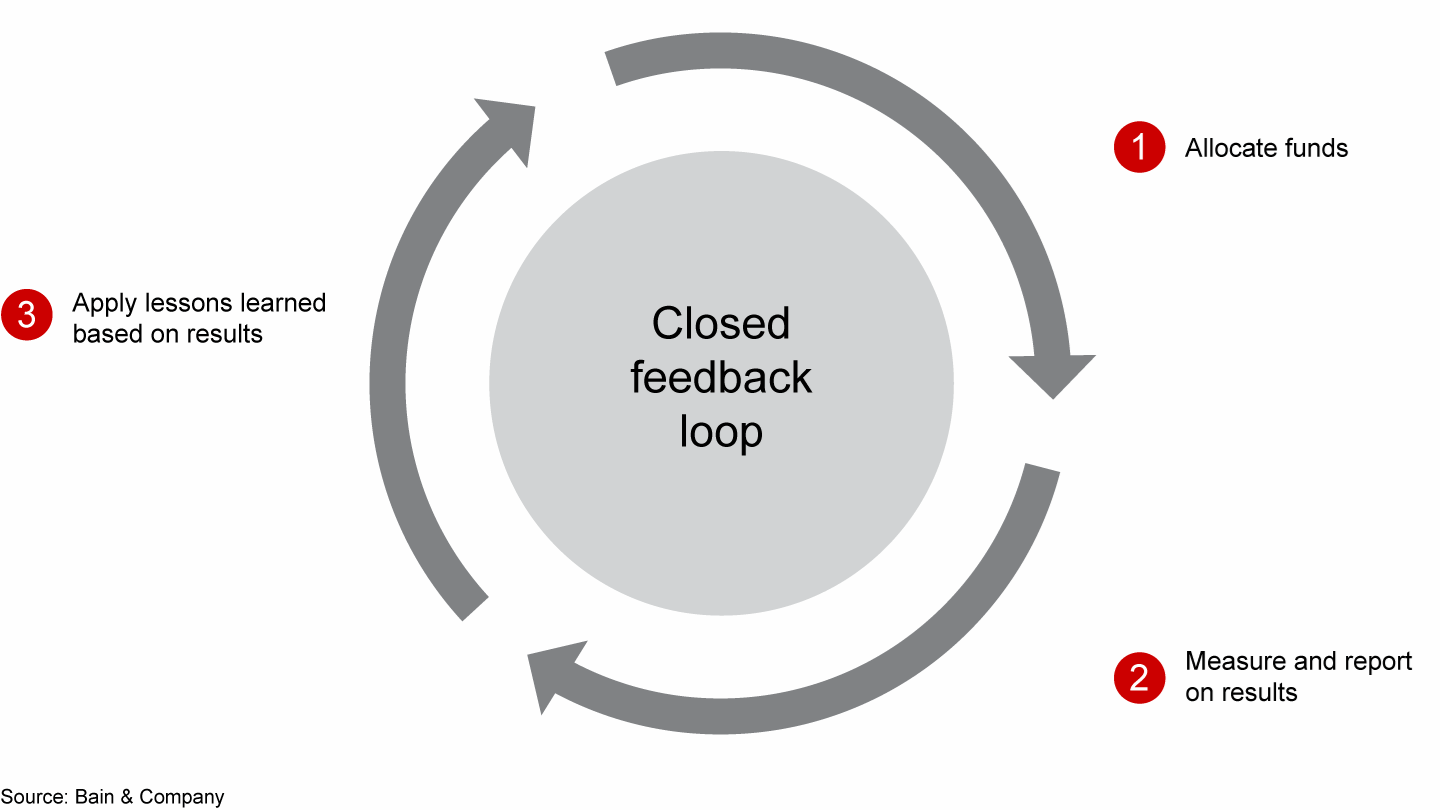
Managing an agile budget is all about being ready to adapt. To keep costs on track, you need to regularly monitor spending and progress. Check in after each sprint to see how much of the budget has actually been used up. Keep an eye on things like labor hours and work velocity too. This helps you forecast if total costs are likely to go over budget.
If the budget starts looking tight, have an open chat with stakeholders. See if you can cut scope on lower priorities or get a timeline extended. More funding could potentially be secured too! Also look for chances to redirect funds toward new needs popping up. Keeping the team workload balanced sprint to sprint is key as well.
 Graphic courtesy of Bain & Company
Be upfront with stakeholders and keep them updated about any budget changes. They need to know agile means fluidity, and that fluidity is intrinsically tied to shifting budgets. Building small contingencies into each sprint can help handle unexpected turns. Refine your estimates based on real data, which will not only increase your current project’s cost accuracy, but also your future accuracy!
With close tracking and flexibility, an agile budget can work through changes smoothly. Your goal is to catch any big issues early. By breaking down the adjustments into small, reasonable changes each sprint, you catch problem points and your skills in identifying future problems will only get better!
Conclusion
In conclusion, agile budgeting requires a flexible mindset that embraces change. While rational planning and estimates are still needed upfront, the key is allocating resources sprint-by-sprint rather than far in advance. Monitor velocity and capacity continuously, and keep stakeholders in the loop on budget adjustments. With close collaboration and transparency, small tweaks often get teams back on track. No project follows the exact original plan, but with the willingness to adapt, agile budgets empower innovation! Focus on delivering the highest value features first, and let those needs guide where funds get reallocated. With the right agile budget approach, you gain freedom to respond and keep stakeholder satisfaction high!
References
Banner image courtesy of Bit Studious
(https://www.bitstudios.com/blog/how-to-budget-for-an-agile-software-development-project/)
-
“What Is Full-Time Equivalent (FTE)? (With Example Calculation)”Indeed ↩
-
“Contingency–are you covered?”Project Management Institution ↩
-
“Agile Capacity”Project Management Institution ↩
-
“How to Improve Your Agile Team’s Capacity Planning”Method ↩