Introduction
Welcome, new scrum masters, on your journey to the world of Agile and the increasing complexity and simplicity of agile projects. We have some good news to share with you and it’s that the world of Agile is much simpler than you could imagine. Of course, it might feel overwhelming with the vast amount of information and resources that you can find on the Internet, but to not waste your time and our efforts we will try to help you in facilitating cost management meetings and the impacts it can have on cost management.
What is Project Cost Management?
Well to begin your journey in Project Cost Management, you need to know what is project cost management and the processes. This is your baby steps before you can sprint in project management. Project cost management is the processes involved for planning and defining the project costs within budget1. Now the budget can be defined by the product owner, business owner, or stakeholders when you are meeting with them.
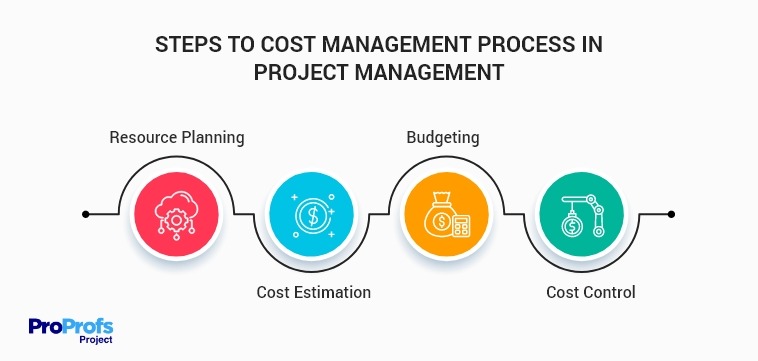 Graphic courtesy of ProProfProject
Project Cost Management Processes:
1.Planning cost management: involves determining the policies, procedures, and documentation that will be used for planning, executing, and controlling project cost. The main output of this process is a cost management plan2. The beginning of most Agile project management processes start with documenting and defining what are the requirements and tasks that need to be completed in order for the project to become a success to the product owner. This process is in order for everyone to be on the same page and give their opinions on what they think the cost would be for materials, time, services, software, everything that could effect the project cost.
-
Estimating costs: involves developing an approximation or estimate of the costs of the resources needed to complete a project. The main outputs of the cost estimating process are activity cost estimates, basis of estimates, and project documents updates2. This is the tricky part in estimating costs because it could be specific cost for a single software or as broad and general depending on the project management. The problem that often comes up during these parts is when the project manager underestimates the cost it would take for a task to be completed or parts of a project to be completed with the resources given. This is one of the many factors that could affect the cost of a project and something to keep in mind on your Agile project journey.
-
Determining the budget: involves allocating the overall cost estimate to individual work items to establish a baseline for measuring performance. The main outputs of the cost budgeting process are a cost baseline, project funding requirements, and project documents updates2. These documents will be coming from the higher-ups, the people who are in charge of the business or company, they will decide how much resources they are willing to provide and a way for them to see who is performing well with the given tasks they are provided with.
-
Controlling costs: involves controlling changes to the project budget. The main outputs of the cost control process are work performance information, cost forecasts, change requests, and project management plan updates, and project documents updates2. This is something you need to address during every discussion, to be sure that everyone is doing the task that is assigned to them and helps you keep track of the status of your project and check to see if it will be completed within the provided time.
Facilitating Discussions Tips
 Graphic courtesy of ProjectLeadershipWaterLoo
-
Prioritize the goals of each discussion: You may have already experienced those meetings where nothing gets done and off-topic discussions tend to take up most of the meeting time, or where not everything gets to be discussed. This is the part where you have to be clear what the goals are for each meeting, having goals will make your meetings more efficient.
-
Time management: No matter if there are daily meetings, weekly meetings, once in a while meetings, or even monthly meetings, it is important to be aware of how much time you should be spending in each meeting. You don’t need daily meetings to be more than fifteen minutes, it is pretty clear that the meeting should be focusing on status updates on sprint tasks and address any issues the development team may face. This can help prevent team members talking over each other or interrupting each other, this scenario is for the daily sprint meetings, but can also be applied to other meetings, as well.
-
Everyone participates: The point of giving everyone a certain amount of time for each meeting is to ensure that everyone can get the chance to speak their opinion or concerns they have. This may be about the cost of a software, any change that needs to be made for the budget, and other various factors that could affect the budgeting plan which in turn could hinder the completion of the project.3
-
Use tools that would benefit the meeting: Anything that can help take notes during the meeting or help you keep track of what was the cost of the sprints can help you understand how well the team is doing and if more time should be given for some tasks to be completed.3
Impacting Cost Management
Using the above tips during your discussions can help increase the details and specific costs that need to be considered during your project, help reduce overspending on a task and help scrum masters better control the budget plan in case anything unexpected arises. By creating an environment where everyone can have a say and voice their opinion will increase the morale of the team and give them a sense of purpose as they go about their sprints. It is always better to talk with your peers or co-workers to see if something better or more efficient tool is available to use that can reduce the cost if needed. I have had my share of meetings where everyone got a say in their meeting and after the meeting, everyone understood what was expected of them and what they needed to do before the next meeting. 4
Conclusion
In conclusion, project cost management is the processes involved for planning and defining the project costs within budget. There are four main processes in project scope management which is planning cost management, estimating costs, determining budget, and controlling costs. For these processes to go well, it is important to have your discussions have clear goals and timed minutes for each team member and allow everyone to participate in the meeting. It would also be best if you use tools to keep notes and keep track of the budget and costs over the project timeline.
RESOURCES
-
“What is Cost Management.” [TechTarget] (https://www.techtarget.com/whatis/definition/cost-management) ↩
-
“Information Technology Project Management” [handoutset] (https://handoutset.com/wp-content/uploads/2022/05/Information-Technology-Project-Management-Kathy-Schwalbe.pdf) ↩ ↩2 ↩3 ↩4
-
“Agile Meeting Guide” [wrike] (https://www.wrike.com/blog/agile-meetings-guide/) ↩ ↩2
-
“Agile Project Cost Management.” [ProjectLeadershipWaterLoo] (https://projectleadershipwaterloo.wordpress.com/2019/12/16/agile-project-cost-management/) ↩