For Project Managers tasked with overseeing complex initiatives, the concept of monitoring project budget and resource allocation is a familiar challenge. It’s a vital aspect of ensuring a project stays on course, delivering the expected results while managing resources efficiently.
In this blog post, we’ll delve into the intricacies of budget and resource monitoring, shedding light on the practices and tools that can empower Project Managers to align budgets and resource allocation seamlessly with a project’s scope and objectives.
Whether you’re a seasoned Project Manager looking to refine your monitoring strategies or new to the role and seeking guidance, this post is your gateway to mastering the art of project financial and resource management!
Understanding Project Budget
A project budget, as defined by the Project Management Institute (PMI)1, is a financial plan that outlines the total allocated funds for a specific project within a defined period. It serves as the basis for estimating, monitoring, and controlling project costs.
Understanding project budgets is essential for effective project management. It provides a structured financial framework to make sure there’s enough money for the project and acts as a benchmark for tracking costs and helping maintain financial discipline. Project budgets typically include labor costs (team salaries and benefits), materials (physical resources), equipment (machinery and technology expenses), overhead (indirect costs), and contingency funds (for unexpected risks).
Setting a realistic budget that matches project goals is crucial. It helps allocate resources efficiently, reduces the risk of overspending, and boosts stakeholders’ confidence in the project’s viability and alignment with its goals.
Resource Allocation
Resource allocation is a vital part of successful project management. It involves strategically distributing different resources to meet project goals. These resources can be divided into three main categories: human resources, equipment, and technology.
Human resources are the individuals involved in the project, including project managers, team members, and stakeholders. Their allocation involves assigning tasks, responsibilities, and workloads effectively to ensure that the right skills are applied at the right time.
Equipment encompasses physical assets necessary for project execution, such as machinery, vehicles, and tools. Allocating equipment efficiently ensures that essential tools are available when needed, minimizing downtime and delays.
Technology resources refer to software, hardware, and digital tools essential for project tasks. Efficient allocation of technology resources ensures seamless communication, data management, and task execution, enhancing overall project efficiency.
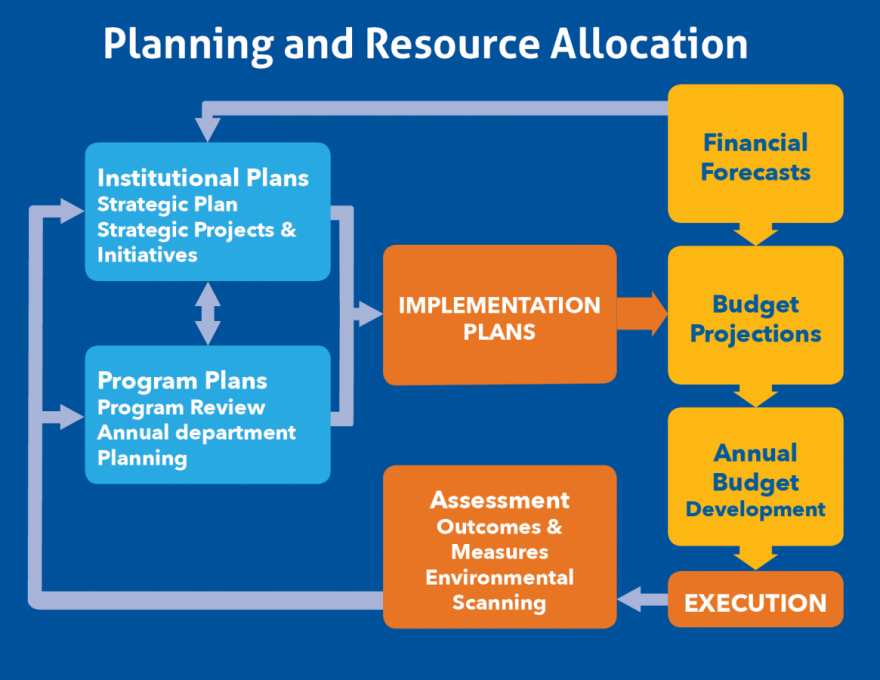 Graphic courtesy of Lane Community College
Resource allocation, in a nutshell, is all about strategically distributing human, equipment, and technology resources to support the project goals. It plays a vital role in ensuring that we use resources effectively, preventing bottlenecks and shortages that could throw the project off track. Efficient allocation is the key to achieving your project objectives on time and with excellence!
Challenges in Budget and Resource Monitoring
Budget and resource monitoring in project management come with their fair share of challenges, often posing hurdles for project managers striving to align these aspects with project scope and objectives.
One common challenge is scope creep, which refers to “the uncontrolled expansion to project scope without adjustments to time, cost, and resources.”2 This can strain budgets and resources as additional work often requires extra funding and resources, threatening alignment with the project’s original scope.
Unexpected expenses are another hurdle. Unforeseen costs, such as equipment breakdowns or regulatory changes, can disrupt budget planning, making it challenging to stay on course with the allocated financial resources.
Resource bottlenecks can also impede alignment. When critical resources, whether human, equipment, or technology, are not available as needed, project timelines and objectives may suffer, directly impacting alignment with the project’s scope and goals.
In essence, these challenges directly relate to the objective of ensuring alignment with project scope and objectives. Managing them effectively is crucial to maintaining financial stability, resource efficiency, and ultimately, the successful execution of projects.
Tools and Techniques
Below are just a few of the tools and methodologies available to project managers for effective budget monitoring and resource allocation. Don’t hesitate to explore these options and discover which ones work best for your unique project needs. With the right tools in your toolkit, you’ll be well-equipped to steer your projects towards success while aligning budgets and resources seamlessly with your project objectives!
-
Project Management Software: Tools like Microsoft Project, Asana, and Trello are software solutions that help project managers plan, track, and manage projects. They allow you to create budgets, assign resources to tasks, and monitor progress in real-time.3
-
Agile Methodologies: Agile frameworks, such as Scrum and Kanban, are project management approaches that focus on flexibility and collaboration. They enable teams to adapt to changing project requirements and allocate resources based on immediate priorities.
-
Resource Management Tools: Tools like Resource Guru and Float are specialized software that helps you manage and allocate your team’s time effectively. They provide a clear view of who is available, their workloads, and scheduling to ensure resources align with project goals. (Source: Resource Guru and Float)
-
Performance Evaluation Techniques (EVM): Earned Value Management (EVM) is a method to assess project performance by comparing planned and actual progress. It helps project managers monitor budget and resource allocation by evaluating if you’re getting the value you expected from the resources invested.4
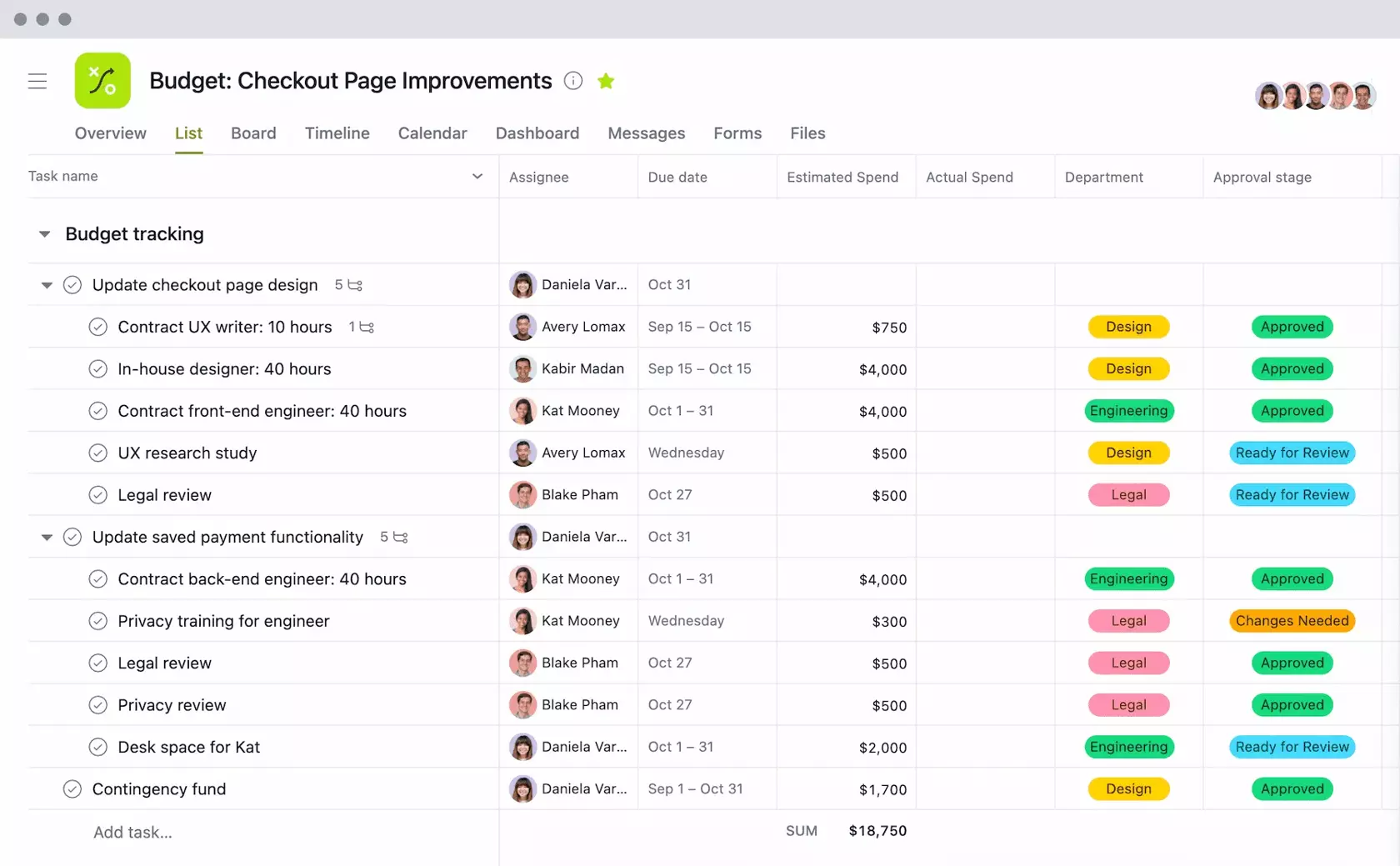 Graphic courtesy of Asana
Conclusion
In this detailed post, we’ve covered important aspects of project management, focusing on aligning project budgets and resource allocation with project scope and objectives. We’ve defined project budgets as financial plans, discussed their components, and emphasized the significance of resource allocation.
Challenges like scope creep and unexpected expenses were highlighted, relevant to project alignment. We discussed practical tools, including project management software, agile methodologies, resource management tools, and performance evaluation techniques.
In conclusion, aligning budget and resources with project objectives is fundamental. Implementing the tips and best practices shared here will empower project managers to deliver projects effectively and within budget.
References and Additional Resources:
Banner image courtesy of [Happay](https://happay.com/blog/capital-budgeting/)
-
“PMBOK Guide” Project Management Institution. ↩
-
“What are the best practices for managing scope creep in agile projects?” Linkedin. ↩
-
“Earned value management systems (EVMS)” Project Management Institution ↩