For new project managers, the term “Agile methodology” is frequently encountered in discussions and readings. It’s praised for its potential to improve project management through flexibility, customer focus, and quicker outcomes. Yet, a fundamental question arises: When should Agile be applied, and when might traditional methods be more suitable?
Today, we’ll explore Agile methodology, its advantages and limitations, and acquire the knowledge needed to make informed project management decisions. Whether you’re a new project manager or looking to refine your Agile skills, this post serves as a valuable step in becoming a more effective Agile project manager or Scrum master.
Without further ado, let’s dive into the world of Agile!
Understanding Agile
Agile methodology, in simple terms, is a flexible approach to project management that prioritizes collaboration, customer satisfaction, and adaptability. Unlike traditional project management methods that follow rigid plans, Agile embraces change and focuses on delivering value in shorter cycles.
At the heart of Agile lies the Agile Manifesto, a foundational document that outlines its principles. This manifesto values individuals and interactions over processes and tools, working software over comprehensive documentation, customer collaboration over contract negotiation, and responding to change over following a plan.1
The core values of Agile—transparency, inspection, and adaptation—set it apart from traditional project management approaches. In Agile, teams are encouraged to be transparent about their progress and challenges, inspect their work regularly, and adapt their strategies accordingly. This iterative and client-centered approach allows for continuous improvement and responsiveness to evolving project needs.
Benefits of Agile
Agile methodology offers several key advantages in project management:
-
Improved Flexibility: Agile readily embraces change in project development, allowing teams to swiftly adjust priorities and requirements. This flexibility ensures alignment with evolving needs and market dynamics, even in rapidly changing environments.
-
Faster Delivery: Agile’s iterative approach focuses on delivering smaller, functional project increments at regular intervals. Short development cycles, known as sprints, result in quicker delivery, enabling stakeholders to see tangible progress sooner.
-
Enhanced Customer Satisfaction: Agile prioritizes collaboration with customers and end-users, facilitating continuous feedback. This responsiveness ensures that products better meet customer expectations, leading to higher satisfaction—a hallmark of Agile projects.
-
Adaptability to Change: Agile welcomes change and equips teams to respond to shifting requirements, emerging opportunities, and unforeseen challenges with agility. This adaptability keeps projects aligned with the current market landscape.
Statistics and case studies support Agile’s success across industries. For instance, the 12th “State of Agile Report” by VersionOne revealed that 98% of respondents reported success with Agile projects, with 74% indicating more than half of their Agile projects had been successful2.
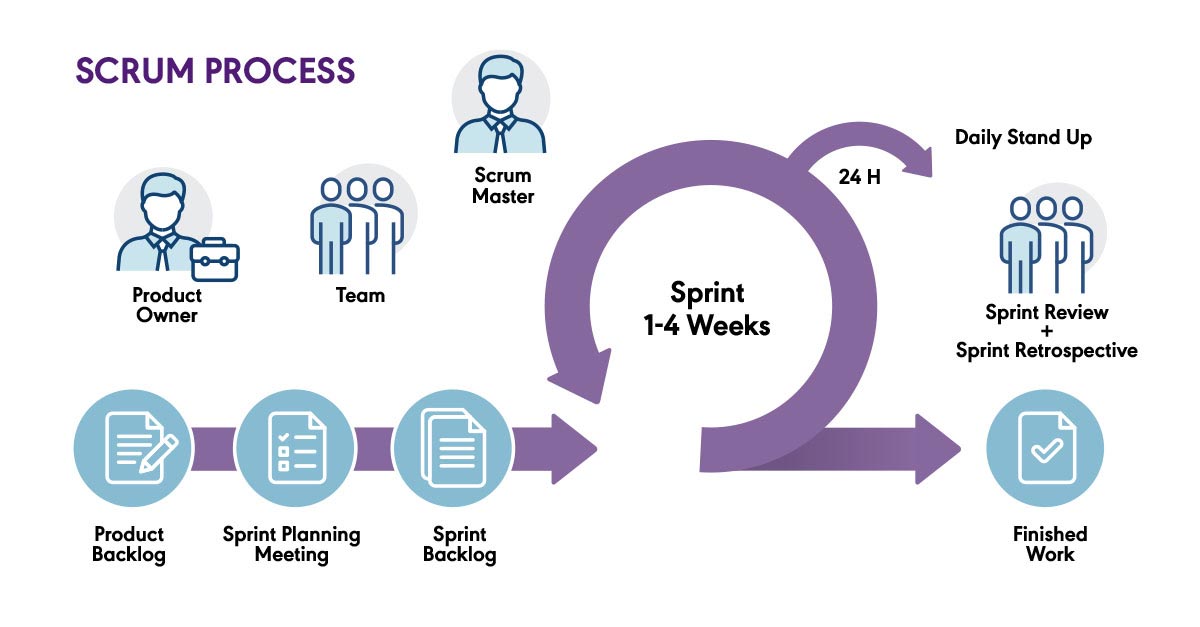 Graphic courtesy of VersionOne
In summary, Agile methodology offers flexibility, faster delivery, customer-centricity, and adaptability—key attributes for achieving project success in today’s dynamic business landscape.
When to Use Agile
Understanding when to use Agile is essential for harnessing its benefits effectively. Here are some scenarios where Agile is most effective:
- Complex Projects: Agile excels in managing complex projects where the path forward is not entirely clear from the outset. Its iterative approach allows teams to adapt and refine their strategies as they come to understand the project’s intricacies.
- Changing Requirements: Projects that are prone to evolving requirements, whether due to shifting market demands or customer feedback, are well-suited for Agile. Agile’s flexibility enables teams to accommodate changes without disrupting the project’s overall trajectory.
- Customer Collaboration: When the project’s success hinges on close collaboration with the end-users or stakeholders, Agile shines. Continuous customer involvement ensures that the project aligns closely with their needs and preferences. For example, software development often benefits from Agile due to its customer-centric approach.
In the realm of software development, Scrum is a widely adopted Agile framework.3 Teams using Scrum work in time-boxed iterations called sprints, making it easier to manage changing requirements and deliver value incrementally.
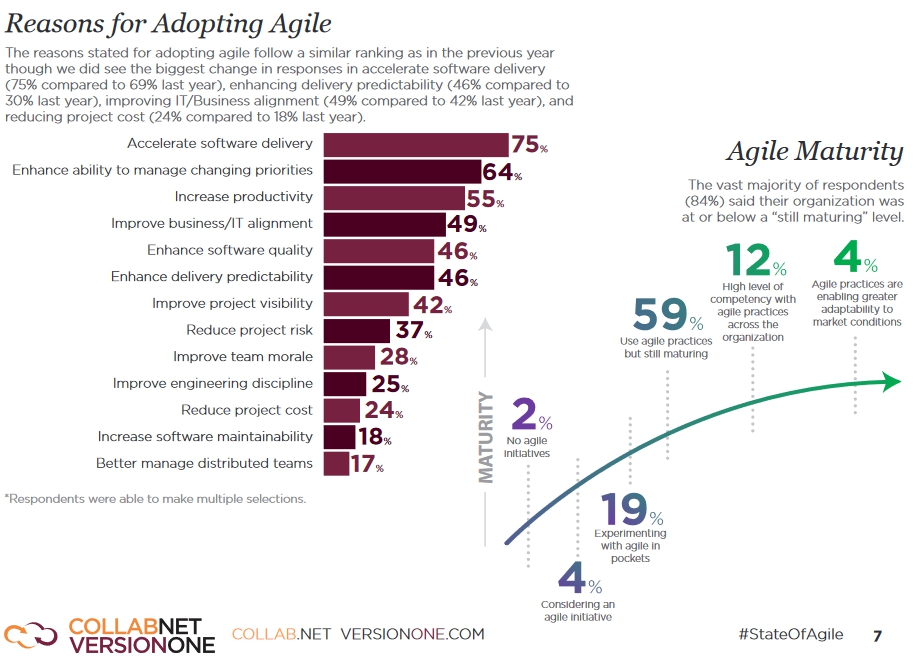 Graphic courtesy of pm-partners
In conclusion, Agile methodology is most effective in projects characterized by complexity, changing requirements, customer collaboration, and innovation.
When Not to Use Agile
While Agile is a powerful project management methodology, it’s not always the best fit for every project. Understanding when not to use Agile is crucial to avoid potential challenges and risks. Here are scenarios where Agile might not be the optimal choice:
- Fixed Scope: Projects with a fixed and well-defined scope, where requirements are unlikely to change significantly, may not benefit from Agile. Agile thrives in environments where flexibility and adaptability are paramount. In fixed-scope projects, traditional project management methods may offer a more straightforward path.
- Tight Deadlines: Agile projects are iterative and incremental, which can sometimes lead to extended timelines due to frequent adjustments and iterations. When facing stringent deadlines that cannot accommodate this iterative approach, other project management methodologies with a more linear timeline might be a better fit.
- Regulatory Constraints: In industries with strict regulatory requirements, such as healthcare or finance, Agile may pose challenges. Regulatory compliance often necessitates extensive documentation and rigorous validation processes, which may conflict with Agile’s principles of minimal documentation and rapid development.
In essence, Agile methodology excels in dynamic, evolving project environments but may not be the best choice when dealing with fixed scope, tight deadlines, or rigorous regulatory constraints. It’s essential to assess project characteristics and constraints carefully to determine whether Agile aligns with the project’s unique needs and circumstances.
By understanding the strengths and limitations of Agile, project managers can make informed decisions about when to use or not use this methodology.
Conclusion
In our journey through Agile methodology, we’ve uncovered its strengths, best-fit scenarios, and potential pitfalls. Remember these key takeaways:
Understanding Agile: Agile is a flexible, customer-centric approach rooted in the Agile Manifesto, prioritizing collaboration and adaptability.
Benefits of Agile: Agile offers advantages like flexibility, faster delivery, and enhanced customer satisfaction, supported by real-world success stories.
When to Use Agile: It’s ideal for complex, evolving projects with customer collaboration and innovation at their core.
When Not to Use Agile: Avoid it for projects with fixed scopes, tight deadlines, or strict regulations to prevent challenges and risks.
Empower yourself as an Agile project manager or Scrum master by applying this knowledge. Keep learning and exploring Agile resources to enhance your skills. Embrace Agile’s adaptability, and set sail for project success!
References and Additional Resources:
Banner image generated using Stable Diffusion by Dominique Louangrath
-
“The Agile Manifesto.” Agile Alliance. ↩
-
“State of Agile Report.” VersionOne. ↩